
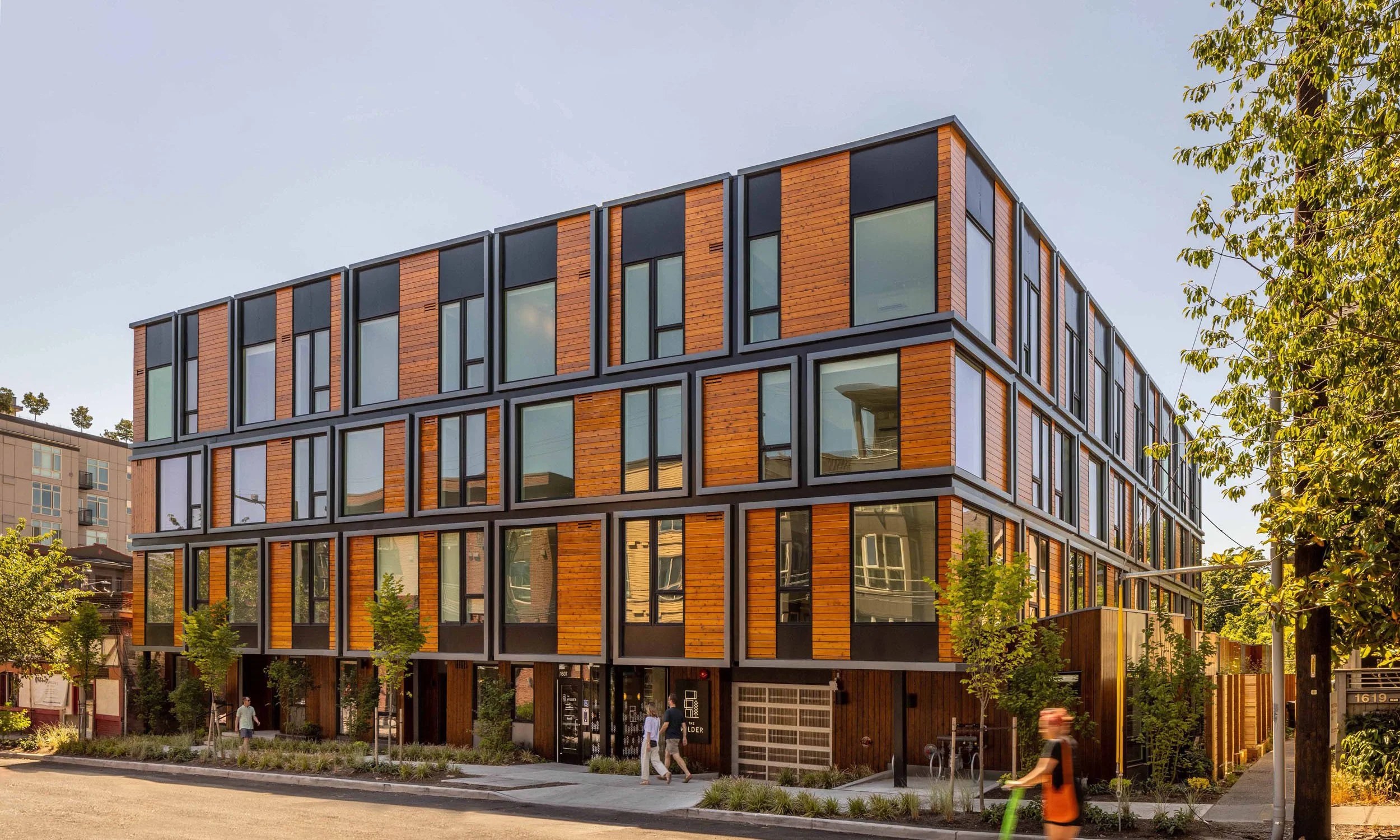
Multifamily and Apartment Building Roofing in San Antonio, TX
San Antonio's multifamily housing market is one of the largest and most active in Texas, driven by a military presence centered on Joint Base San Antonio, a robust healthcare and biosciences sector rooted in the South Texas Medical Center, and population growth that has consistently ranked the city among the fastest-growing major metros in the United States. Property managers and real estate investors operating apartment assets from the urban core near the Pearl District and Southtown through the sprawling suburban corridors of Stone Oak, Helotes, and the far north side along Loop 1604 deal with a roofing environment defined by a South Texas climate that is simultaneously one of the most UV-intense and one of the most storm-active in the country.
The combination of intense solar radiation, high summer temperatures that routinely push into the upper 90s and occasionally exceed 105 degrees, and the afternoon thunderstorm pattern that characterizes San Antonio's late spring and early summer creates a roofing stress environment that demands materials and installation practices calibrated specifically for South Texas. Dark-colored built-up or EPDM roofing systems on flat-roof apartment buildings in San Antonio can reach surface temperatures well above 160 degrees on summer afternoons, accelerating membrane aging, stressing seam adhesives, and driving interior cooling loads that show up in utility costs. Energy-efficient cool-roof membranes are not a luxury specification in this climate-they are a functional investment that pays back in reduced energy consumption and extended membrane service life.
Hailstorms are among the most significant roofing hazards for San Antonio apartment operators, and the metro sits in a recognized high-frequency hail corridor that has produced multiple severe storm events affecting large portions of the rental housing inventory over the past decade. Garden-style apartment complexes with dozens of residential buildings under sloped shingle roofs across a single site can sustain damage on every building in a single storm event, creating insurance claim complexity and contractor mobilization challenges that property management companies need to plan for in advance. The Texas Department of Insurance's storm claim process and the specific requirements of commercial property policies covering San Antonio apartment complexes should be understood before an event, not during one.
San Antonio's position within the Texas Hill Country's drainage system creates flash flooding risks that have significant implications for apartment rooftop drainage design. Bexar County has experienced some of the most intense flash flood events in Texas history, and the combination of thin limestone soils, rapid runoff, and storm drainage systems that can be overwhelmed in exceptional rain events means that rooftop drainage capacity matters here in ways that go beyond standard sizing calculations. Property managers overseeing apartment complexes in flood-adjacent areas like the Alamo Ranch corridor or near Culebra Creek should ensure that rooftop drainage systems are designed for high-intensity storm events and that drain maintenance is performed before every storm season.
HOA communities in San Antonio's master-planned suburban developments-communities in Alamo Ranch, The Dominion, Stone Oak, and the newer master-planned neighborhoods in the far northwest and northeast of the metro-face reserve fund challenges that are directly linked to the climate's demanding impact on roofing service life. Texas HOA statutes require associations to maintain adequate reserves for capital expenditures, and boards that discover roofing replacement needs exceeding available reserve balances face the difficult process of pursuing emergency special assessments or HOA loans. Reserve studies calibrated to San Antonio's specific hail frequency and UV exposure history-rather than generic national assumptions-provide a more accurate basis for funding adequacy planning.
The military community's significant presence in San Antonio's rental market creates a specific demand characteristic that property managers need to understand: SCRA (Servicemembers Civil Relief Act) provisions that protect active-duty military personnel from certain lease obligations mean that apartment communities near JBSA installations experience higher-than-average mid-lease turnover. This dynamic reinforces the importance of maintaining a well-functioning building envelope-including the roof-because tenants who experience water intrusion events, ceiling staining, or mold associated with roofing failures are among the most likely to exercise SCRA lease termination provisions. A building with documented maintenance problems has both higher turnover risk and higher legal exposure than one with a documented preventive maintenance program.
Real estate investors targeting value-add apartment acquisitions in San Antonio-particularly in established neighborhoods like Woodlawn Lake, Monte Vista, and the corridors along W. Commerce Street and Blanco Road-encounter older multifamily buildings where roofing deferred maintenance is often visible from the street. These buildings present both opportunity and risk: the opportunity is that a motivated seller may discount the purchase price to reflect acknowledged deferred maintenance, and the risk is that the true scope of roofing-related water damage inside the building assembly may substantially exceed what is visible externally. Experienced Bexar County commercial roofing contractors who have opened up aging San Antonio apartment roofs for renovation projects routinely find moisture damage in the structural deck that was not apparent in any pre-purchase inspection.
Texas's commercial contractor licensing requirements apply to roofing work on multifamily apartment buildings, and San Antonio is served by both licensed Texas roofing contractors and the inevitable post-storm influx of out-of-state storm chasers who target large metropolitan areas after major hail events. Property managers and HOA boards should verify that any contractor awarded a commercial roofing project holds a current Texas contractor registration, carries commercial general liability insurance with appropriate limits for the project size, and can provide verifiable references from completed San Antonio-area multifamily projects of comparable scope. The post-storm rush that follows major Bexar County hail events is precisely the environment where unlicensed or underqualified contractors pursue work they are not equipped to execute correctly.
Whether managing a 15-unit Victorian-era apartment building in the King William Historic District or overseeing a 400-unit garden complex in the Westover Hills area, San Antonio apartment owners benefit from roofing contractors who understand the specific demands of South Texas climate, can navigate Bexar County's permitting processes, and deliver systems built for the intersection of extreme heat, severe hail, and flash flood drainage demands that define roofing in this market. An investment in professionally specified and maintained commercial roofing on a San Antonio multifamily property is an investment in the asset's ability to generate consistent income through the weather cycles that are simply part of the ownership experience in one of America's largest and most dynamic cities.
Frequently Asked Questions
- What roofing system is best for flat-roof apartment buildings in San Antonio's extreme summer heat?
- White or light gray TPO or PVC single-ply membranes with high solar reflectance are the standard recommendation for San Antonio's flat-roof multifamily buildings, combining superior heat reflection that reduces surface temperatures by 50 degrees or more compared to dark membranes, heat-welded seam integrity that holds up through South Texas thermal cycling, and solid resistance to UV degradation. Systems should include polyiso insulation to current Texas energy code R-values to reduce both cooling loads and the thermal stress that accelerates membrane aging. Fully adhered or mechanically attached installations that meet Texas wind uplift requirements for the Bexar County wind exposure category are preferable to ballasted systems.
- How should San Antonio apartment property managers handle the post-hailstorm insurance claim process?
- Document all visible damage with date-stamped photographs before any temporary repairs are made, and notify your commercial insurance carrier of the loss within the timeframe specified in your policy. Commission an independent commercial roofing contractor assessment before accepting the carrier's adjuster estimate, as initial adjuster estimates frequently undervalue the full scope of a commercial roofing replacement. Texas law permits property owners to hire public adjusters to represent their interests in the claims process, and for large multifamily hail claims in San Antonio, a public adjuster experienced in commercial property claims can significantly improve claim outcomes compared to direct policyholder negotiation.
- Does San Antonio's hail frequency affect insurance premiums on apartment complexes, and what can owners do about it?
- Yes-commercial property insurance premiums on San Antonio multifamily buildings have risen significantly in recent years partly due to the region's documented hail claim frequency. Property owners can take several steps to manage these costs: installing Class 4 impact-resistant roofing products when replacing sloped-roof systems (which may qualify for carrier discounts), maintaining documented inspection and maintenance programs that demonstrate proactive building management to underwriters, and shopping coverage among carriers using an independent commercial insurance broker who understands the Texas multifamily market. Some carriers specifically exclude or sub-limit hail damage on properties with roofs older than a threshold age, making timely replacement important for maintaining comprehensive coverage.
- What are the specific roofing challenges for apartment buildings in San Antonio's historic districts?
- Buildings in the King William Historic District, Monte Vista, and other HDRC-designated areas are subject to San Antonio's Historic Design Guidelines, which may govern the visibility of roofing materials from the street, the character of any visible mechanical equipment, and the appearance of new dormer or skylight installations. Replacement roofing materials should be selected to comply with applicable historic district guidelines, and permit applications for work on designated historic properties should be submitted to the Historic Preservation Office before general contractor permits are obtained. Contractors experienced in San Antonio historic district projects understand this permitting pathway and can avoid delays that affect project timelines.
- How does the JBSA military presence affect roofing maintenance priorities for apartment operators near military installations?
- Military tenants protected by SCRA provisions have legal rights to terminate leases when habitability concerns-including water intrusion from roofing failures-are documented, making roof maintenance a direct lease-retention issue for apartments near Randolph, Lackland, Fort Sam Houston, and other JBSA components. Properties with documented maintenance programs and rapid response to roofing complaints demonstrate the standard of care that protects owners from SCRA-related lease terminations and associated legal exposure. Insurance claims and repair documentation should be maintained in the property file in a format that can be reviewed quickly if a tenant asserts a habitability claim.