
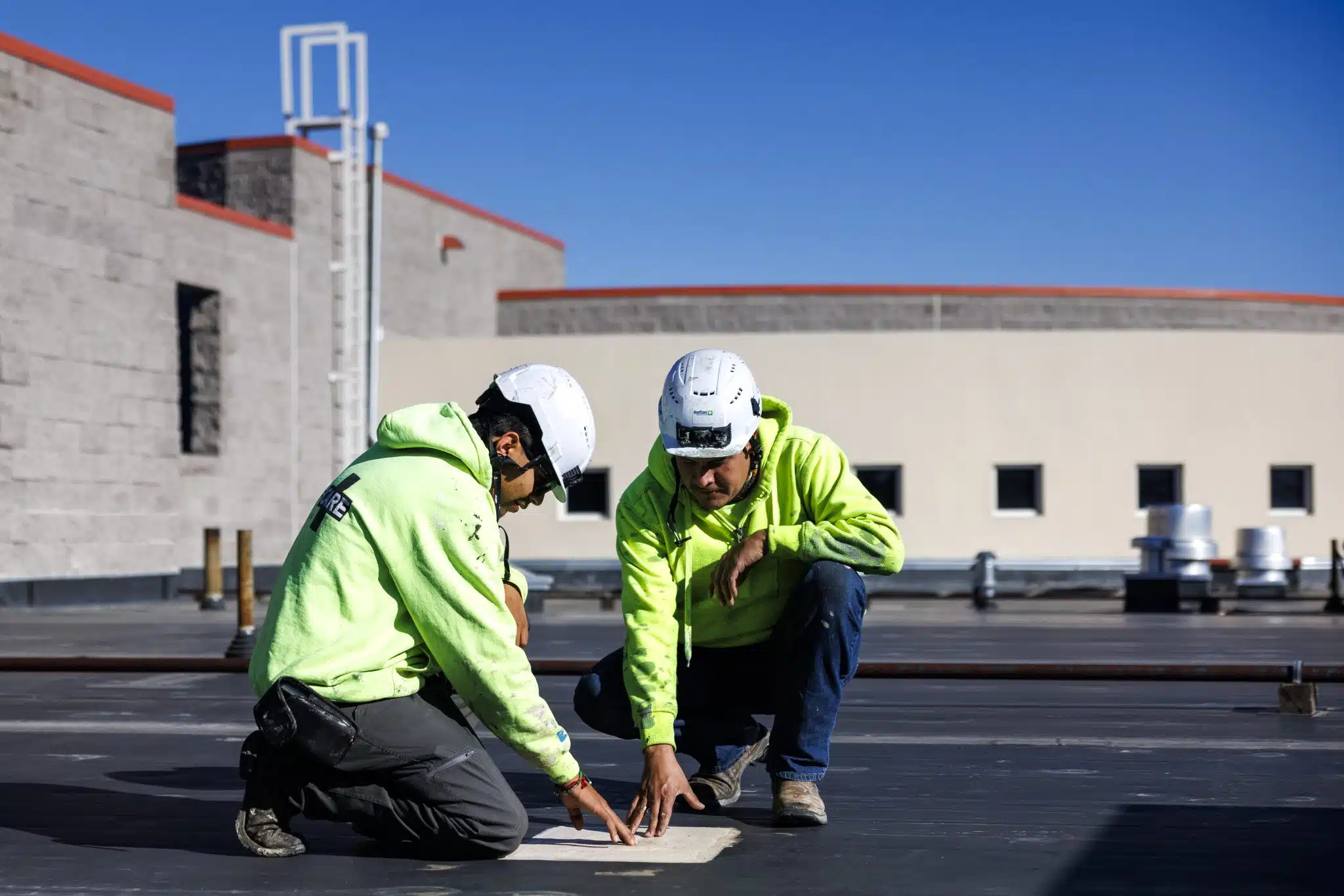
A 20-year manufacturer warranty on a new TPO or EPDM roof is not automatic. Every major manufacturer's warranty requires documented annual inspections and maintenance - and most commercial building owners either do not know this or let the documentation lapse within a few years of installation. When a roof failure occurs at year 12 of a 20-year warranty, the manufacturer inspects the maintenance record before paying a warranty claim. If the record is blank, the claim is denied.
We run maintenance contracts structured to the manufacturer's documentation requirement - not a generic annual walk with a handwritten note. Each inspection produces a written report with photo-keyed findings, a deficiency list with priority ranking, and a record of any maintenance work performed during the inspection. That record is the owner's evidence that the warranty has been maintained. We also build the inspection cadence around San Antonio's specific weather calendar: the storm season runs July through October, and post-storm inspection within 30 days of any significant weather event is a condition of most manufacturer warranties.
Frequently Asked Questions
- What happens during a roof scope for Commercial Roof Maintenance in?
- We review roof access, the existing system, drainage, penetrations, leak or damage history, and any photos or warranty records you already have. Then we document the repair, replacement, coating, or maintenance path that fits the building and timing.
- How quickly can you look at Commercial Roof Maintenance in in San Antonio?
- For active leaks or storm damage, send the address, photos, access notes, and timeline through the form. Those details help us route the call, prepare the roof walk, and avoid wasting time on the first visit.
- What information helps price Commercial Roof Maintenance in accurately?
- The useful details are roof type, approximate square footage, age, leak locations, access constraints, tenant hours, warranty paperwork, and any insurance or capital planning deadlines. Photos of drains, seams, penetrations, and interior staining help us scope faster.