
Storm Damage Roof Repair - San Antonio Commercial Buildings
Damage Repair

Storm Damage Roof Repair - San Antonio Commercial Buildings

Storm damage inspection and repair for San Antonio commercial flat roofs - hail, wind, debris, and rainfall damage documented to insurance standards with photo-keyed zone reports.

Scope Type
Damage Repair
Location
San Antonio, TX
Status
Scheduling Roof Walks
Focus
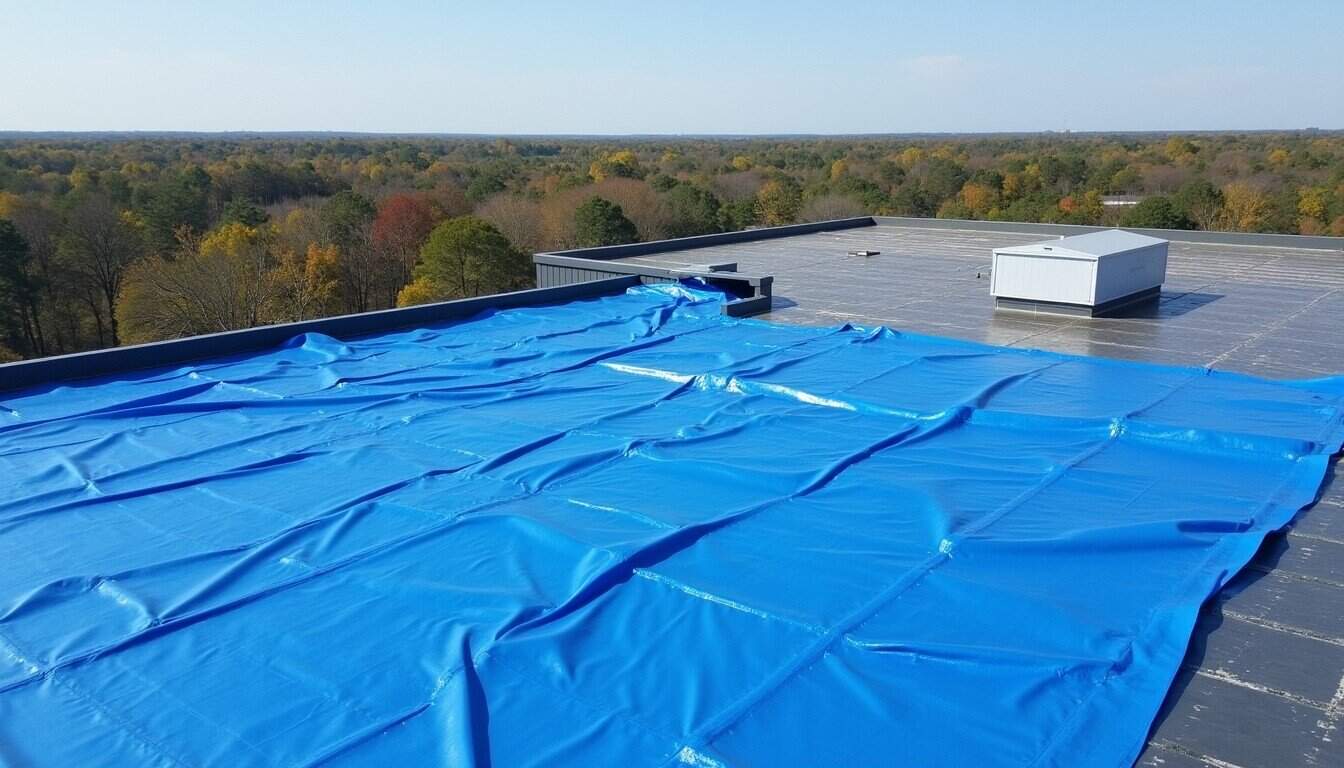
Entry point, storm evidence, temporary dry-in, permanent repair, and follow-up scope.

Storm damage on a commercial flat roof is rarely a single failure mode. A severe storm event produces wind uplift, hail impact, and water infiltration simultaneously - and the interaction between those forces creates damage patterns more complex than any one of them alone. The remnants of Hurricane Harvey that reached San Antonio in August and September 2017 produced sustained heavy rainfall that exposed drainage inadequacies on roofs that had never leaked under normal conditions. That combination of volume and duration put water into buildings through scuppers and drains that could not move the load, not through membrane failures.

I approach storm damage inspections as a combined-hazard event investigation. I document wind-related uplift, hail-related impact, rainfall-related ponding and infiltration, and debris-related physical damage separately - with photographs and a written narrative for each category - because the repair scope for each is different and the insurance coverage path for each may be different. Building owners who receive a single-line estimate after a storm event have no way to know what they are actually repairing.

Commercial Roofers of San Antonio operates from in downtown San Antonio. We cover Bexar County and the surrounding metro, including the areas most exposed to Hill Country storm cells - the Stone Oak corridor, the IH-10 West belt toward Boerne, and the northwestern Bexar County suburban commercial inventory along Loop 1604.

San Antonio Storm Patterns and the Damage They Produce

Hill Country cells from the northwest: These storm systems - the type that produced the 2023 Stone Oak and Boerne hail events - track southeast through the US-281 corridor and IH-10 West belt. They carry hail, straight-line wind, and intense short-duration rainfall. The damage combination is hail impact on membranes and copings, wind uplift at perimeter edge metal, and concentrated rainfall that can overwhelm scupper and drain capacity on buildings designed for standard Texas rainfall intensities.

Gulf moisture surges from the southeast: Summer and early-fall moisture events push up from the Gulf of Mexico through the Coastal Bend and the San Antonio corridor. These are predominantly rainfall events - high volume, extended duration, warm temperature. Harvey's remnants in 2017 demonstrated what a sustained Gulf moisture event does to flat roofs: drainage systems that handle normal rainfall load fail under six to eight hours of continuous high-intensity rainfall, and ponding water finds every compromised seam and flashing.

Spring severe weather: San Antonio's spring storm season - typically March through May - produces the conditions for supercell development. The 2018 San Antonio spring hail events produced documented hail up to 2.5 inches in Bexar County, causing membrane and cover board damage across the city's northwest commercial corridor. Spring events often combine large hail with wind shear, producing the full damage profile simultaneously.

Urban heat island thunderstorms: San Antonio's July and August heat creates conditions for localized convective storm development in the afternoon and evening. These events are short in duration but intense - 50 to 60 mph gusts and brief but heavy rainfall. The cumulative effect of repeated summer thunderstorm events on aging flashings and seam welds is significant, even when no single event produces obvious acute damage.

Storm Damage Inspection Methodology

We inspect within two to five business days of a confirmed storm event - sooner for buildings with active interior leaks. The inspection produces a photo log keyed to a roof zone diagram with all four damage categories documented: wind, hail, water, and debris. Each photo carries a timestamp and a zone reference. The written narrative explains the basis for distinguishing event damage from pre-existing conditions in each category.

Drainage assessment: After a heavy rainfall event we assess scupper and drain flow capacity, drain condition, and the pattern of ponding on the roof surface. We flag drains that are functioning but undersized for the building's drainage area and rainfall intensity - these are conditions that will produce leaks in the next comparable event regardless of the membrane condition.

NWS storm record integration: We pull the NWS San Antonio storm event report for the relevant date and reference the reported hail size, wind speed, and rainfall intensity in the inspection narrative. For Harvey-remnant events we reference the NWS Houston or Austin archived data for the relevant storm system. This anchors the inspection report to the meteorological record the adjuster needs.

Repair scope structure: The repair scope is organized by damage category with quantities by roof zone. An adjuster reviewing the scope can see what the estimate covers for wind damage versus hail damage versus water infiltration entry point repair. This structure makes the coverage determination process straightforward and reduces back-and-forth with the adjuster.

Frequently asked questions

What if my building leaks after a storm but I am not sure the storm caused it?

That is the most common situation we encounter. An active leak after a storm event does not automatically mean the storm created the entry point - it often means a pre-existing compromised detail finally allowed water in under the elevated load the storm produced. Our inspection documents both: the pre-existing condition that was the structural leak path, and the storm event that provided the head pressure to push water through. Both categories are relevant to scope. The adjuster determines coverage based on the documentation.

Can you repair the roof while the insurance claim is still open?

Yes - and in many cases you should not wait for claim settlement to begin emergency repairs, especially if interior occupants or equipment are at risk. We document the damage before any repair work starts, perform the repair, and document the repair with before-and-after photographs. Emergency repair costs are typically reimbursable under commercial property policies. We provide the pre-repair documentation your adjuster needs to evaluate the emergency repair scope.

Do you work with the building's property manager or directly with the owner?

Either. Many of the commercial buildings we serve in San Antonio have on-site property managers who handle the day-to-day facilities coordination. We work with whoever the building's authorized representative is - property manager, facility director, or building owner directly. The inspection report and scope are produced to the name and contact the building specifies.

Need a storm damage inspection for a San Antonio commercial building?

We document what the storm did - hail, wind, water, debris - in a report your adjuster can work from without a second site visit.

Request a Roof Scope

Need Storm Damage Roof Repair - San Antonio Commercial Buildings?