
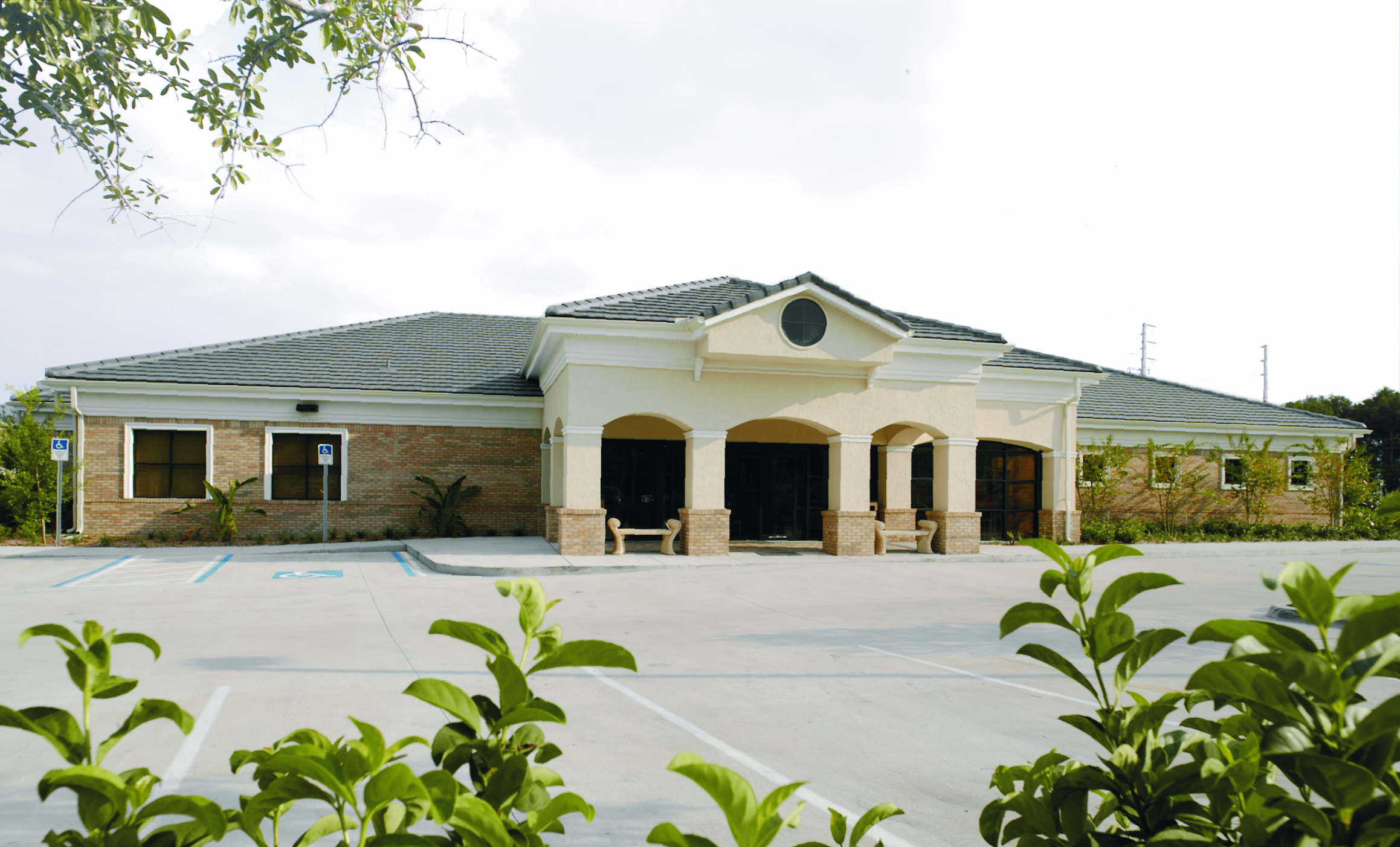
Commercial Roof Inspections in San Antonio
Roofing Services

Commercial Roof Inspections in San Antonio

Annual and semi-annual commercial roof inspections in San Antonio - post-freeze and post-summer timing, written condition reports, and capital planning documentation for Bexar County commercial buildings.

Scope Type
Roofing Services
Location
San Antonio, TX
Status
Scheduling Roof Walks
Focus
Repair history, moisture risk, roof access, system condition, and replacement timing.

Most commercial roof failures in San Antonio were visible on the roof surface one or two inspection cycles before they became interior leaks. A flashing edge lifting along a parapet. A ponding zone that expanded six inches since last year. A seam probe that deflects under hand pressure instead of holding firm. These are findings a competent inspection catches - and that nobody catches if the only time someone walks your roof is after water appears on the ceiling.

Our inspection protocol covers the full roof surface, all penetration flashings, parapet walls, drain inlets, expansion joints, and equipment curbs. We photograph every finding against a zone-keyed roof diagram so you know exactly where each condition is and how it relates to the others. The deliverable is a written report - not a verbal summary on the phone, not a two-line email - with a condition rating, a list of priority repairs, and a capital outlook for the next five years. Buildings in our inspection program on the IH-, the office parks around the Vantage Bank Center on IH-10 West, and downtown mid-rise buildings near Frost Tower carry condition records that go back multiple inspection cycles. That running history is what lets us give you an honest capital horizon, not a guess.

We also maintain awareness of San Antonio's climate-driven inspection windows. The timing of your inspection matters - walk the roof at the wrong time of year and you will miss moisture indicators that only show up under specific conditions.

When to Inspect - San Antonio's Two Critical Windows

Post-February window (March through April): San Antonio's mild winters occasionally produce hard freeze events - the February 2021 Uri storm being the most damaging in recent memory. Sustained subfreezing temperatures stress flashing sealants, cause seam welds to contract and partially delaminate, and create ice-loading conditions most San Antonio flat roofs were never designed to handle. The post-freeze inspection window in March and April catches that latent damage before the first significant spring rain. On any roof installed before February 2021, we treat Uri-era damage as a specific line item in the inspection checklist - we have found compromised edge metal and cracked parapet flashings on buildings that showed no active leaks for two full years after the freeze.

Post-summer window (October through November): San Antonio summers are extreme. Surface temperatures on dark commercial membranes regularly exceed 165°F during July and August, and the cumulative UV and thermal-cycling stress of a full Texas summer leaves measurable wear on TPO seams, EPDM flashings, and modified bitumen cap sheets. The October-November inspection window catches this wear before winter precipitation arrives. It is also the right timing for the annual maintenance documentation that most manufacturer warranty programs require - keeping that documentation current is what keeps the warranty enforceable.

Annual minimum - semi-annual recommended: For most commercial buildings in Bexar County, one inspection per year is the minimum we recommend. Buildings with active manufacturer warranties, buildings over 50,000 sq ft, buildings with high rooftop mechanical traffic (hospitals, data centers, food processing), or buildings with a known prior leak history should run semi-annual inspections in both windows. The incremental cost of a second annual inspection is small relative to the insurance value of the condition record it produces.

What the Inspection Covers

Field membrane: Full-surface walk in a grid pattern. We look for membrane surface cracking, blistering, open laps, probe-soft seams, punctures, and granule loss on modified bitumen systems. Each finding is photographed and located on the zone diagram.

Flashings and terminations: Parapet flashings, edge metal, drip edge, counter-flashing, and all penetration flashings. Flashings are the most common leak source on San Antonio commercial roofs - we pay particular attention to the inside corners on parapet walls, where water pools before it finds a path through.

Drains and drainage patterns: Each drain inlet is cleared and inspected for bowl deterioration, clamp ring condition, and proper seating. We document ponding zones - areas where water has visibly stood since the last inspection - and note any change in ponding extent from cycle to cycle.

Equipment curbs and penetrations: Every penetration through the membrane - HVAC curbs, pipe boots, conduit stacks, lightning protection bases - is inspected for flashing adhesion and sealant condition. Sealant at penetrations degrades in San Antonio's UV environment faster than most owners expect; we document sealant condition as a separate line item.

Expansion joints and parapet walls: Expansion joint covers, parapet wall cap conditions, and any visible masonry cracking or movement. San Antonio's Edwards Aquifer karst substrate produces building movement patterns that show up in parapet cracking and expansion joint stress - we note these as structural-origin conditions that require coordination with the building engineer rather than roofing-only solutions.

The Deliverable - What a Written Inspection Report Contains

Zone diagram: A scaled roof plan marked with the inspection grid, drain locations, equipment positions, and finding locations keyed to the photo log. The same diagram carries forward from inspection cycle to inspection cycle so conditions can be compared across time.

Condition ratings: Each finding is rated on a three-tier scale - Monitor (track at next inspection), Repair Before Next Inspection (schedule within 90 days), and Repair Immediately (active leak risk or warranty compliance requirement). Ratings are assigned against objective criteria, not against what we happen to have a crew available to fix.

Priority repair list: A numbered list of findings rated Repair Before Next Inspection or Repair Immediately, with a brief description of the recommended repair scope and a rough cost range. This is what the facility manager takes to the budget meeting.

Capital outlook: A five-year capital projection covering the expected timing and estimated cost range of the next significant repair cycle and the estimated replacement horizon. Based on membrane age, condition rating, and what we know about how comparable systems have performed in San Antonio conditions.

Warranty documentation: Confirmation that the manufacturer warranty requirements - annual inspection, documented maintenance - have been satisfied for the current cycle. For buildings carrying NDL warranties from GAF, Carlisle, or Sika Sarnafil, this documentation is what the manufacturer requires to honor the warranty on a future claim.

Frequently asked questions

How long does a commercial roof inspection take in San Antonio?

For a straightforward flat-roof commercial building up to 30,000 sq ft - typical warehouse or single-story retail - the roof walk takes one to two hours and the written report is delivered within three business days. Buildings over 100,000 sq ft or buildings with complex rooftop equipment may take a full day for the roof walk. We schedule the walk date and report delivery date at booking so you can plan around them.

Do I need to be on-site during the inspection?

We prefer that the facility manager or a designated building representative be available for the start of the inspection walk so we can review any known problem areas before we begin the grid pattern. You do not need to be on the roof with us. A brief meeting at the end of the walk - 15 to 20 minutes - helps us make sure we have context on any active leak complaints or recent repair work that should inform the report.

Does the inspection report satisfy the annual maintenance requirement for manufacturer warranties?

For most manufacturer programs - GAF, Carlisle, Johns Manville, Versico, Sika Sarnafil - the warranty requires annual documented inspection and maintenance by a qualified contractor. Our inspection report is formatted to satisfy that documentation requirement. We include the building location, roof system manufacturer and membrane lot number where available, inspection date, and our company credentials in the report header. We can provide a copy directly to the manufacturer's warranty department on request.

We had a significant hail event in San Antonio last spring - do we need an inspection even though we see no active leaks?

Yes. Hail damage to commercial membranes often does not produce immediate visible leaks - the damage pattern on TPO and EPDM is surface bruising and membrane thinning that accelerates UV degradation and reduces puncture resistance over the following two to four years. An inspection after a significant hail event documents pre-existing conditions versus storm damage, which is exactly what your insurance adjuster needs if you file a claim, and which establishes your legal position if the claim is delayed.

Schedule a written roof inspection for your San Antonio building.

Our project managers will walk the full roof, photograph every finding, and deliver a written condition report with a priority repair list and five-year capital outlook - in a format your insurance carrier and your manufacturer warranty program will accept.

Request a Roof Scope

Need Commercial Roof Inspections in San Antonio?