
Church and Religious Building Roofing in San Antonio, TX
San Fernando Cathedral on Main Plaza in San Antonio is the oldest continuously functioning cathedral in the United States, a living landmark of Spanish colonial religious history that has served the Catholic community of South Texas since 1731. San Antonio's rich religious heritage - spanning Spanish missions, historic Catholic parishes, large evangelical megachurches, and everything between - creates a church roofing market of extraordinary breadth, from the delicate restoration work required on mission-era structures to the large-scale commercial roofing projects that serve congregations of tens of thousands of members on modern suburban campuses.
Texas's climate delivers a genuine four-season stress profile to San Antonio church roofs. Summers are brutally hot - July and August see sustained temperatures above 100°F, and roof surface temperatures on dark-colored membranes can approach 180 to 190°F. South Texas also sits within the Texas Gulf Coast hurricane threat zone; while San Antonio is far enough inland to avoid direct storm surge, the remnant circulation of Gulf hurricanes regularly produces multi-inch rainfall totals and damaging winds as storms track across South Texas. Winter brings periodic ice storms - San Antonio's subtropical location means freezing precipitation is relatively rare but historically significant, as the February 2021 freeze demonstrated - and freeze-thaw cycling stress on any roofing detail that allows water ingress.
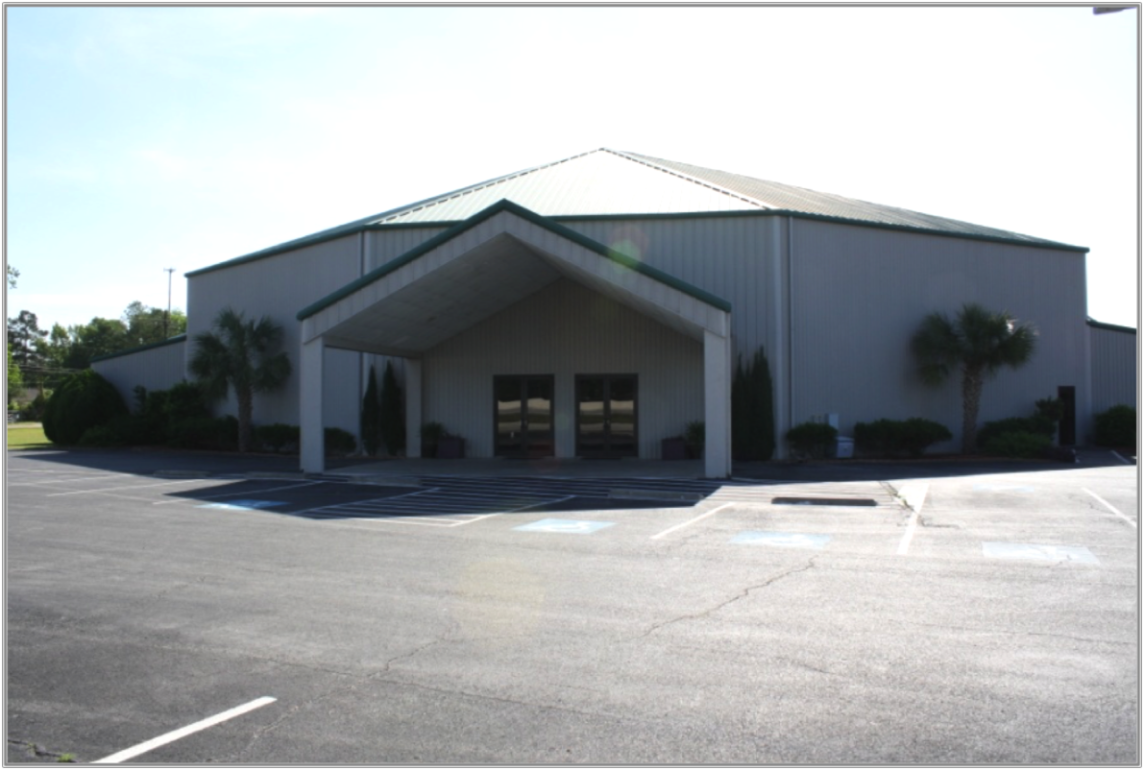
Clear-span sanctuary roofs on San Antonio's larger evangelical and Baptist congregations - many of them among the largest church campuses in Texas - present the structural span and thermal management challenges common to large worship spaces nationwide. In San Antonio's heat, the insulation assembly beneath the membrane deserves particular attention: R-20 or higher insulation in the roof assembly reduces both the peak membrane surface temperature and the heat gain into the large, air-conditioned sanctuary below, producing energy savings that can materially contribute to the capital project payback calculation.
San Antonio's mission-era and early colonial religious buildings, including several of the five Spanish colonial missions that are collectively designated as a UNESCO World Heritage Site, require roofing approaches that align with National Park Service preservation standards and State Historic Preservation Office guidelines. Work on buildings within the San Antonio Missions National Historical Park or in historic districts reviewed by the Texas Historical Commission requires early consultation with preservation staff, specification of historically compatible materials, and often the involvement of a preservation architect to ensure that the roofing scope does not compromise the building's historic integrity or its protected status.
Capital campaign cycles among San Antonio's large evangelical congregations tend to be robust and well-organized, reflecting the sophisticated fundraising infrastructure these congregations maintain. Spring giving campaigns that conclude by Easter are common, positioning congregations for summer project execution - which, despite the extreme heat, is when most San Antonio roofing contractors are best staffed and most experienced at managing hot-weather work. A contractor who runs summer roofing projects in San Antonio without documented heat illness prevention protocols is a liability risk that no congregation should accept.
Scheduling roofing work on San Antonio church campuses requires sensitivity to the extraordinary community-facing programs many of these congregations operate. Food banks, immigration support services, healthcare clinics, and major community events tied to San Antonio's rich cultural calendar - the Fiesta events, the various community festivals along the River Walk vicinity, and holiday programming - all create scheduling constraints that a roofing contractor must understand and accommodate. The church's facilities team and the roofing contractor's superintendent must establish clear daily communication protocols before work begins.
Texas does not impose prevailing wage requirements on private nonprofit construction projects, which means San Antonio church roofing projects are priced in a competitive open market without wage floor obligations. However, San Antonio's construction labor market is active and competitive, and responsible contractors who pay fair wages and maintain safe working conditions will generally outperform those who undercut on labor at the expense of crew quality. The lowest bid price is rarely the lowest total cost when installation quality and warranty performance are factored into the analysis.
The San Antonio area's large Hispanic Catholic community maintains an extensive network of parish facilities across Bexar County, ranging from historic downtown churches to modern suburban parishes. These buildings represent significant capital assets of the Archdiocese of San Antonio, which manages its property portfolio with increasing sophistication and holds its vendor relationships to correspondingly higher standards. Contractors who aspire to work on archdiocesan facilities must be prepared to meet institutional qualification standards including insurance minimums, documented safety programs, and reference verification requirements that exceed what smaller congregation projects typically demand.
A church roofing project in San Antonio, whether it involves restoring a centuries-old mission roof or replacing the commercial membrane on a modern megachurch campus, deserves a contractor who has earned the trust of the local faith community through consistent quality work and honest dealings. References from other San Antonio-area churches, verification of Texas contractor licensing, and a clear explanation of warranty coverage - both manufacturer and workmanship - are the non-negotiable starting points for any congregation's contractor selection process.
Frequently Asked Questions
- What roofing considerations are specific to San Antonio's South Texas climate?
- Extreme summer heat - sustained temperatures above 100°F with roof surface temperatures approaching 190°F - combined with periodic hurricane remnant rain events and the occasional severe winter ice storm creates a three-way climate stress profile. Roofing systems must be specified to handle all three: UV-stable, high-SRI reflective membranes for summer; robust drainage design for tropical storm rain events; and properly sealed, ice-resistant detailing for winter freeze-thaw conditions that occur infrequently but destructively when they arrive.
- How do we handle roofing work on San Antonio's historic mission structures?
- Work on or adjacent to the San Antonio Missions National Historical Park or other historically designated religious buildings requires consultation with the National Park Service, the Texas Historical Commission, or the San Antonio Office of Historic Preservation depending on the specific designation and property ownership. A preservation architect experienced with Spanish colonial materials and construction methods is typically engaged to develop the specification, and materials must be historically compatible with the existing structure.
- What should a San Antonio church expect from their roofing contractor in terms of heat safety?
- A reputable San Antonio roofing contractor operating in summer should maintain a written heat illness prevention program that includes mandatory hydration breaks, shaded rest areas, pre-shift heat safety briefings, and a monitoring protocol for wet bulb temperature conditions that trigger modified work hours. Ask to see the contractor's written heat illness prevention plan before signing any contract for summer roofing work - it is a direct indicator of how seriously the contractor takes worker safety and project management quality.
- Are there roofing incentives available for San Antonio churches?
- CPS Energy, San Antonio's municipal utility, periodically offers commercial energy efficiency rebate programs that may include cool-roof installations. The City of San Antonio's sustainability programs may also offer incentives for energy-efficient building envelope improvements. Program availability changes annually, so verify current offerings with CPS Energy before project specification is finalized to avoid missing applicable incentives.
- How should our congregation manage the roof warranty after the project is complete?
- Register the manufacturer's warranty immediately upon project completion and confirm that the registration certificate includes your congregation's name as the warranted owner. Schedule the first inspection under the manufacturer's warranty - typically at the one-year anniversary - and thereafter at the intervals specified in the warranty document. Keep the warranty certificate, as-built drawings, and maintenance records in both physical and digital formats accessible to future facilities staff who may not have been involved in the original project.