
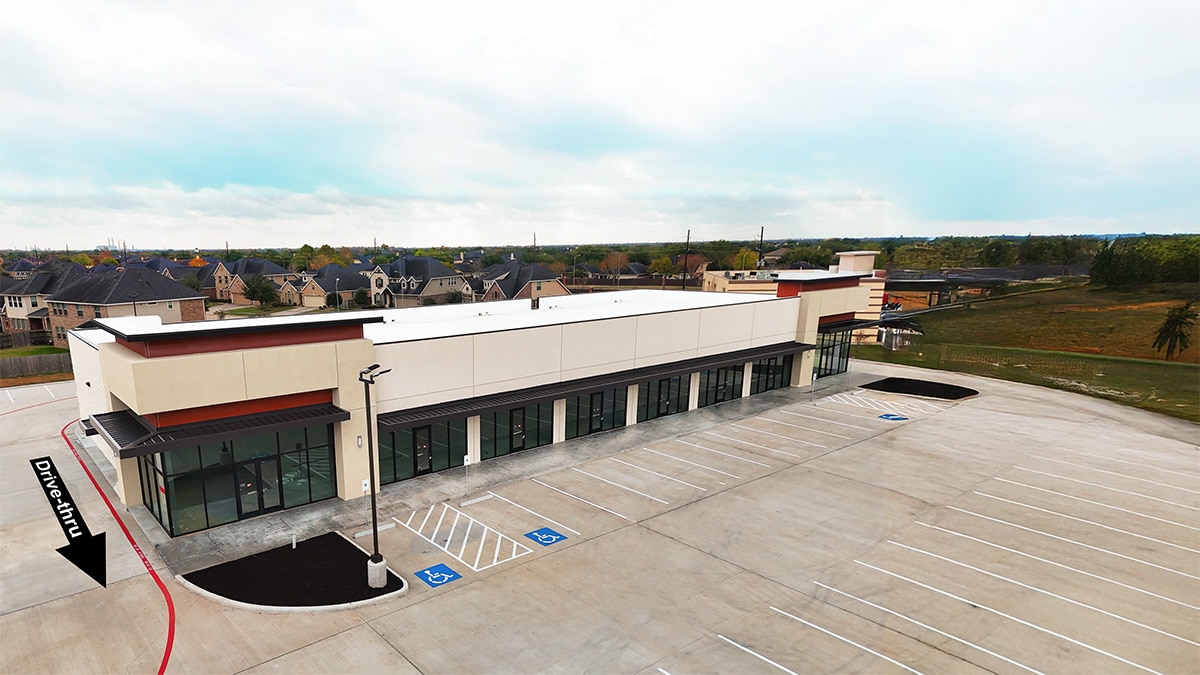
Retail and Shopping Center Roofing in San Antonio, TX
San Antonio's retail landscape is defined by its scale and its spread - from the massive retail corridors along Loop 1604 and IH-10 west of the city to the neighborhood strip centers serving the South Side, the East Side, and the older commercial strips along San Pedro Avenue and Fredericksburg Road. The Alamo City's retail market is one of the fastest-growing in Texas, with significant new construction in the far north suburbs around Stone Oak, Helotes, and Boerne while older properties closer to downtown need the kind of capital investment that includes roof replacement. The climate here combines the best and worst of South Texas: long hot summers with high humidity from the Gulf, occasional severe hail storms, and the freezing rain and ice events that descend when Gulf moisture meets an Arctic front - which San Antonians experienced in devastating form during the February 2021 winter storm.
TPO roofing is the standard specification for San Antonio retail re-roofing, and the summer heat argument drives the specification decision as strongly here as anywhere in Texas. Bexar County sits in a climate zone where retail rooftop temperatures on dark or aged membranes regularly exceed 170°F during July and August, and the combination of heat and South Texas humidity creates thermal and moisture cycling conditions that accelerate every roofing vulnerability. A white 60-mil TPO system significantly reduces that surface temperature load, cutting HVAC runtime during the 90-plus-day summer cooling season and extending the service life of the equipment on the roof. For San Antonio strip mall landlords with gross leases, that energy argument translates directly into operating cost difference.
San Antonio's severe hail history is a roofing factor that every retail property owner in Bexar County takes seriously. The city sits in a hail corridor where spring and summer thunderstorm cells can produce golf ball-sized hail with regularity. Hail events that puncture or bruise single-ply membranes are not immediately obvious - the damage creates compromised zones that develop into active leaks within 12 to 24 months. Post-storm inspections by qualified contractors are essential after any significant hail event, both to document damage for insurance purposes and to authorize prompt repairs before the compromised zones become interior damage events. Insurance claim filing windows matter here: most commercial policies require claims within one to two years of the event.
The February 2021 winter storm exposed a specific vulnerability in San Antonio retail roofing: the ice and freezing rain events that occur once or twice per decade can wreak havoc on flat commercial roofs that were never designed for winter loading. Internal drain lines freeze in extended sub-freezing periods, preventing meltwater from escaping when temperatures recover. This creates ponding loads that flat retail roofs in South Texas - designed for hail and wind, not ice loads - are sometimes not equipped to handle. The practical response is ensuring that all overflow drainage is functional, that drain lines are not blocked going into any predicted freeze event, and that the roof membrane has no active leak pathways that allow water infiltration during the ice accumulation phase.
HVAC penetration management on San Antonio retail properties is complicated by the sheer number of units required for a South Texas cooling load. A 25,000-square-foot strip center in San Antonio might have 20 or more rooftop units operating essentially continuously from April through October. Curb flashings on these units are under constant thermal stress - daily temperature swings from pre-dawn lows into afternoon highs drive expansion and contraction cycling that eventually works sealants loose. Any retail re-roofing project in San Antonio should include a thorough curb evaluation with thermal imaging to identify moisture accumulation in units with compromised flashing, allowing targeted remediation before a new membrane goes over the entire rooftop.
The retail corridors serving San Antonio's military communities - around Lackland AFB, JBSA Fort Sam Houston, and Randolph AFB - and the neighborhood commercial strips along South Flores, Zarzamora, and Culebra Avenue serve populations that include many independent and family-run businesses. These operators function on tight margins and are particularly vulnerable to any business disruption associated with overhead work. The best-run San Antonio roofing contractors working retail projects communicate directly with individual tenant operators - in Spanish when appropriate - providing honest timelines, honoring noise and access restrictions, and treating the tenant's business as a genuine stakeholder in the project's success rather than an obstacle to be managed.
CAM budget management for San Antonio retail properties reflects the Texas commercial leasing environment, which generally features strong NNN structures with broad landlord recovery rights. Most retail strip centers in Bexar County allow landlords to recover roofing maintenance through CAM charges and to amortize capital replacements over the useful life of the system, passing annual amortization to tenants. However, national retailer leases - HEB Plus locations, Walmart-anchored centers, and the power centers along US 281 and Loop 1604 - include detailed provisions that must be reviewed before any significant roofing expenditure is committed. These tenants have sophisticated real estate departments and enforce their lease rights actively.
Drainage design for San Antonio retail roofs must account for the intense convective storms that roll through Bexar County during spring and early summer. These cells can produce 2-4 inches of rain in an hour, and a flat retail roof with an undersized primary drain system will hold water at ponding levels long enough to stress the membrane and increase structural load. The San Antonio region's clay soils also affect site drainage around retail buildings, meaning that a properly functioning rooftop drainage system - one that gets water off the building quickly and directs it away from the foundation - has implications beyond just the roof membrane performance.
Selecting a commercial roofing contractor for San Antonio retail properties means evaluating firms with specific South Texas experience - understanding the hail exposure, the summer HVAC load intensity, and the occasional winter freeze requirements that together define roofing in this market. The city has a robust contractor market across the quality range, from operations that do excellent institutional and military construction work to smaller residential-focused contractors that occasionally pursue commercial projects. Verifiable references from comparable retail strip mall, shopping center, and big-box anchor projects completed in Bexar, Comal, and Guadalupe counties, combined with manufacturer certification verification and insurance review, are the baseline vetting criteria for any significant San Antonio retail roofing engagement.
Frequently Asked Questions
- How does San Antonio's hail history affect retail roof maintenance practices?
- Bexar County's position in a frequent hail corridor makes post-storm inspection a mandatory practice after any storm that produces hail of 3/4 inch or larger. Damage that appears cosmetic on the surface often creates structural compromises in the membrane that develop into active leaks within one to two years. Documenting damage promptly also preserves the ability to file an insurance claim within the policy's filing window, which is typically one to two years from the date of loss for commercial property policies.
- What did the February 2021 winter storm reveal about San Antonio retail roofing vulnerabilities?
- The extended sub-freezing period froze internal drain lines across the metro, preventing meltwater drainage when temperatures recovered and creating ponding loads on flat retail roofs designed primarily for hail and wind resistance. Properties with active leak pathways allowed water infiltration during the ice accumulation phase that resulted in interior ceiling and merchandise damage. The practical response is ensuring all drainage is functional before any predicted freeze event and that the membrane has no open seam or flashing deficiencies that could serve as entry points during ice loading.
- How should San Antonio landlords handle CAM recovery for roof replacement costs?
- Texas NNN leases typically allow landlords to recover roof replacement costs through amortization provisions, passing annual amortization amounts to tenants over the system's useful life. However, national tenant leases for HEB, major box retailers, and anchor tenants often include specific CAM caps or capital exclusions that limit recovery. Reviewing the specific recovery provisions in each active lease before finalizing project budget expectations prevents the unpleasant discovery that a major expenditure is not recoverable from the tenant base as expected.
- What HVAC coordination is required for a San Antonio retail re-roofing project?
- Every rooftop unit needs evaluation before the new membrane goes down, including curb height verification, counter flashing condition assessment, and thermal imaging to identify moisture accumulation in the insulation below units with compromised flashings. Units with inadequate curb heights need prefabricated curb adapters to bring them into compliance with the new membrane system. Coordinating with tenant HVAC contractors on unit accessibility during roofing work ensures that emergency repairs can proceed if a unit fails during the project period.
- What drainage design standard should apply to San Antonio retail roofs?
- Primary drain sizing should be based on the San Antonio area's 100-year rainfall intensity per the IBC standard, not average annual precipitation - the difference between those two figures is substantial in a market known for intense convective storms. Overflow scuppers should be positioned at a height that engages before ponding reaches structural concern levels, and they should be verified as unobstructed annually. Properties where previous parapet modifications or tenant signage installations may have affected overflow scupper positioning should have those drainage points professionally re-evaluated.