
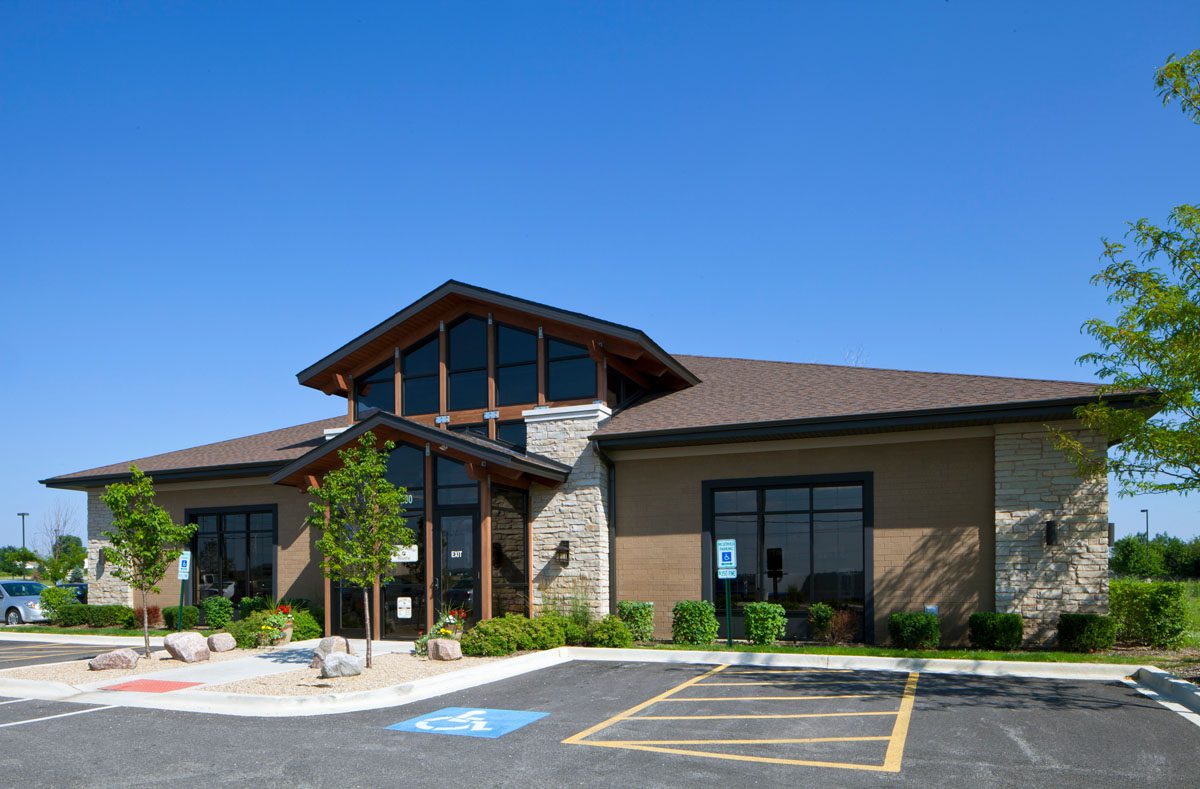
Most of San Antonio's veterinary buildings were never built as animal hospitals. Along San Pedro Avenue, Bandera Road, and the Loop 410 retail ring, clinics occupy converted strip-retail suites with aging flat roofs; out in the Alamo Ranch and Potranco Road growth corridors west of Loop 1604, and up US-281 through Stone Oak, newer purpose-built clinics pair a pitched metal or shingle front over the lobby with a low-slope TPO or mod-bit section over kennels and treatment. Add a large military-family pet population around Joint Base San Antonio and a cluster of 24-hour emergency and specialty hospitals near the South Texas Medical Center, and you get an inventory of small buildings - 3,000 to 15,000 square feet - where the roof sits ten or twelve feet above animals that react to every footstep.
That proximity drives how we plan the job. A dog recovering from surgery or a cat in boarding cannot be relocated the way office tenants shift to another floor, and sustained hammering, tear-off vibration, or a compressor cycling above the kennel run will keep an entire ward agitated for hours. So we scope veterinary work in phases keyed to the practice's calendar: demolition and mechanical fastening land on days the surgical schedule is blocked off, quieter tasks - membrane welding, flashing detail, coating application - run during appointment hours, and the section above boarding gets sequenced last so staff can shift animals to the far runs. Our project managers walk the phasing plan with the practice manager before mobilization, and we hold a hard stop rule: if the clinic calls a critical procedure, staging above that suite pauses.
The buildings themselves take the same punishment as everything else in Bexar County - roof surfaces running 160-170°F through 100-degree summers, UV chalking, and the April-through-June hail corridor that drives most of the replacement decisions we see. What makes a vet clinic different is the penetration count: kennel exhaust fans, isolation-room ventilation, oxygen and scavenging lines, and condensate from oversized HVAC all puncture a small roof field, and every failed pitch pan shows up as a stained ceiling tile in an exam room a client is standing in. On a sound deck we usually recover with 60-mil TPO over the existing single layer - code allows one recover - which halves tear-off noise and keeps odors from opened decking out of the building. We document hail damage with dated photos and core cuts so the insurance file stands up.
Frequently Asked Questions
- What happens during a roof scope for Veterinary Clinic & Animal Hospital Roofing?
- We review roof access, the existing system, drainage, penetrations, leak or damage history, and any photos or warranty records you already have. Then we document the repair, replacement, coating, or maintenance path that fits the building and timing.
- How quickly can you look at Veterinary Clinic & Animal Hospital Roofing in San Antonio?
- For active leaks or storm damage, send the address, photos, access notes, and timeline through the form. Those details help us route the call, prepare the roof walk, and avoid wasting time on the first visit.
- What information helps price Veterinary Clinic & Animal Hospital Roofing accurately?
- The useful details are roof type, approximate square footage, age, leak locations, access constraints, tenant hours, warranty paperwork, and any insurance or capital planning deadlines. Photos of drains, seams, penetrations, and interior staining help us scope faster.