
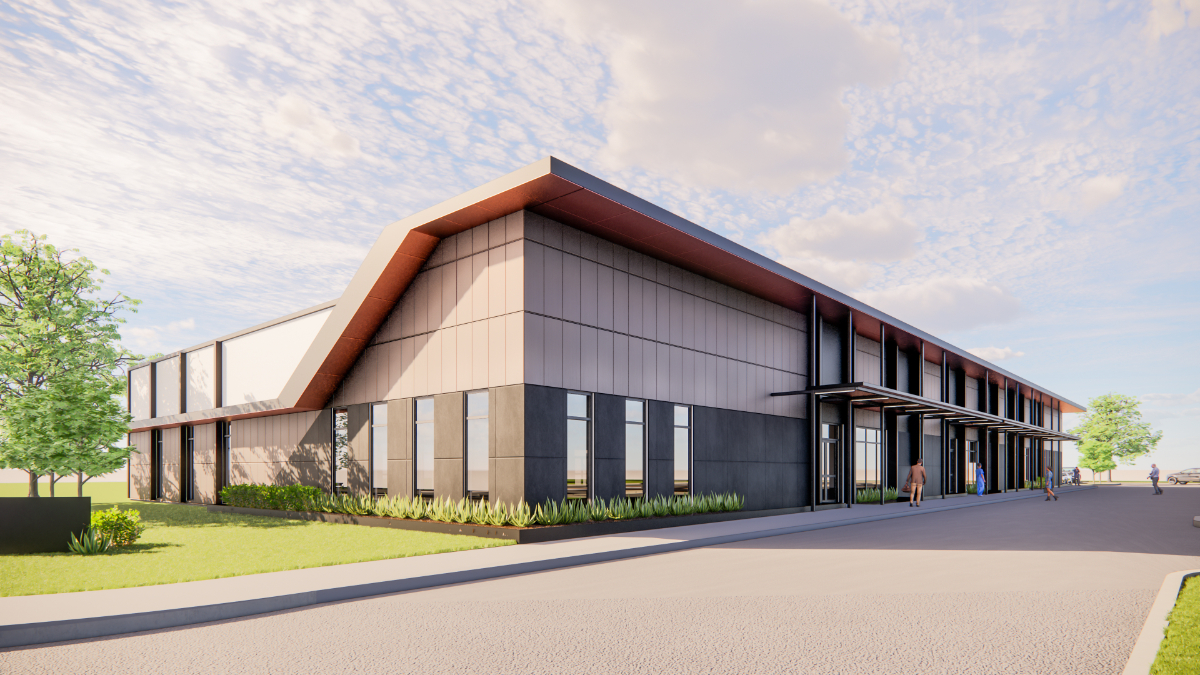
The South Texas Medical Center on Fredericksburg Road is one of the largest medical campuses in the country outside the Texas Medical Center in Houston. Methodist Health System, Baptist Health System, University Health (the UT Health Science Center campus), and Christus Santa Rosa all anchor the complex, along with dozens of affiliated medical office buildings, specialty clinics, and outpatient surgery centers. The campus sits in the Northwest San Antonio corridor between IH-10 West and US-281, and it generates a continuous pipeline of roofing work - hospital facilities cycle through reroof on a faster schedule than most commercial buildings because of the mechanical equipment density and the regulatory pressure to maintain building envelope integrity.
Our project managers have scoped roofing work at facilities throughout the Medical Center corridor - from the large hospital tower campuses to the smaller MOBs (medical office buildings) on the perimeter that serve Methodist, Baptist, and University Health systems. Medical building roofing is not a category where a standard commercial proposal works. Infection-control requirements, hot-work permit systems, ICRA (Infection Control Risk Assessment) protocols, and scheduling constraints around surgical suites and critical care floors change the scope and the sequencing of every project.
We do not treat medical buildings as oversized commercial office buildings. They are a separate project category with separate pre-job coordination requirements, and we approach them that way from the first site visit.
Infection Control and Hot-Work Requirements
Hospital roofing projects generate dust, debris, and in the case of torch-applied modified bitumen, open flame and smoke - all of which create infection-control risk if not managed correctly. ICRA protocol on a hospital campus starts before the crew mobilizes: the facility's Infection Prevention team reviews the scope, identifies which floors and patient-care areas are within the exposure zone, and specifies the containment and monitoring requirements for the project. We participate in that pre-job ICRA review and build its requirements into the project schedule.
Hot-work permits are mandatory on all hospital campuses in San Antonio - a roofing torch or welder triggers the same permit process as any open-flame industrial work. Methodist and Baptist campuses both run hot-work permit systems that require pre-job approval, designated fire watches, fire extinguisher placement, and post-job inspection before the crew leaves the site. We are familiar with these permit systems and carry the required hot-work insurance endorsement.
For buildings where hot-work is restricted - often ICU and NICU floors where any smoke infiltration is unacceptable - we specify cold-process application systems: self-adhered membranes, fully adhered TPO with solvent-free adhesive, or mechanically attached systems that require no heat. The membrane choice follows the infection-control constraint, not the other way around.
Scheduling Around the Clinical Calendar
Hospital roofing cannot be scheduled the way warehouse roofing is scheduled. A drill going into metal deck above a surgical suite during a procedure is not acceptable. We build the production schedule around the facility's OR schedule, ICU census patterns, and any planned facility shutdowns. For University Health and Baptist system facilities, we coordinate directly with the facilities management team to identify low-census periods and off-peak production windows.
Crane placement on a hospital campus requires coordination with helicopter pad operations, ambulance access routes, and patient drop-off zones. At the main Methodist and Baptist hospital towers, helicopter pads are on the roof or adjacent rooftop structures - crane positioning requires a flight path analysis and coordination with the facility's Life Safety officer. We produce a written crane placement plan before mobilization on any hospital project that involves crane lifts near a helipad.
Generator exhaust, rooftop medical gas venting, and critical HVAC equipment creates penetration complexity that most commercial roofing scopes do not account for. Hospitals run continuous critical loads - rooftop HVAC servicing ICU floors, for example, cannot be shut down even briefly during a workday. We sequence production around mechanical shutdowns that the facility's engineering team schedules, not around our crew's convenience.
Medical Office Building (MOB) Roofing
The Medical Center corridor has dozens of MOBs - standalone physician office buildings, outpatient surgery centers, imaging centers, and specialty clinic buildings that are affiliated with but not physically connected to the main hospital campuses. These buildings carry standard commercial flat roofs but with the same infection-control sensitivities as the hospital towers.
MOBs often have shorter maintenance windows than hospital towers. A primary care clinic that closes at 5 PM is easier to schedule than a 24-hour surgical facility - but the roof above a medical records room or imaging suite still requires debris containment that protects the facility below. We specify interior containment plans even on outpatient buildings where the clinical risk is lower than a hospital tower.
University Health's South Texas Medical Center campus and the Baptist Medical Center MOBs on the perimeter of the campus represent a significant portion of the medical building roofing inventory in this corridor. We carry active accounts at several of these facilities and run annual inspection routes through the campus.
Frequently asked questions
Do you carry the insurance required for hospital campus work?
Yes. General liability at $2 million per occurrence and $5 million aggregate, workers' compensation, umbrella, and hot-work insurance endorsement. Methodist, Baptist, and University Health facilities departments have reviewed our certificate of insurance for prior projects. Certificates are available on request and can be endorsed to name the facility owner and management company as additional insureds.
How do you handle roofing above an active ICU or surgical floor?
We coordinate with the facility's ICRA team before mobilization to identify which areas require isolation. Above active ICU floors, we specify cold-process membrane systems - no torch, no hot-air welding with solvent that can off-gas into the HVAC intake. We schedule mechanical deck drilling for periods the facility's engineering team identifies as acceptable based on the OR and ICU schedule. Production above those sensitive areas does not start until the facility team has signed off on the work window.
Can you work around a rooftop helicopter pad?
Yes. We produce a crane placement plan that accounts for the helicopter approach and departure paths - typically a 60-foot clearance zone around the pad perimeter - and coordinate with the facility's Life Safety officer and, if required, with the helicopter service. On the Methodist and Baptist campuses, we have navigated the helipad coordination process on prior projects. Crane placement near a helipad requires the facility's written approval before we mobilize.
Medical building roofing scope in San Antonio?
Our project managers understand ICRA, hot-work permits, and clinical scheduling. We will produce a scope and production plan fit to your facility's operations - not a standard commercial proposal.
Request a Roof Scope