
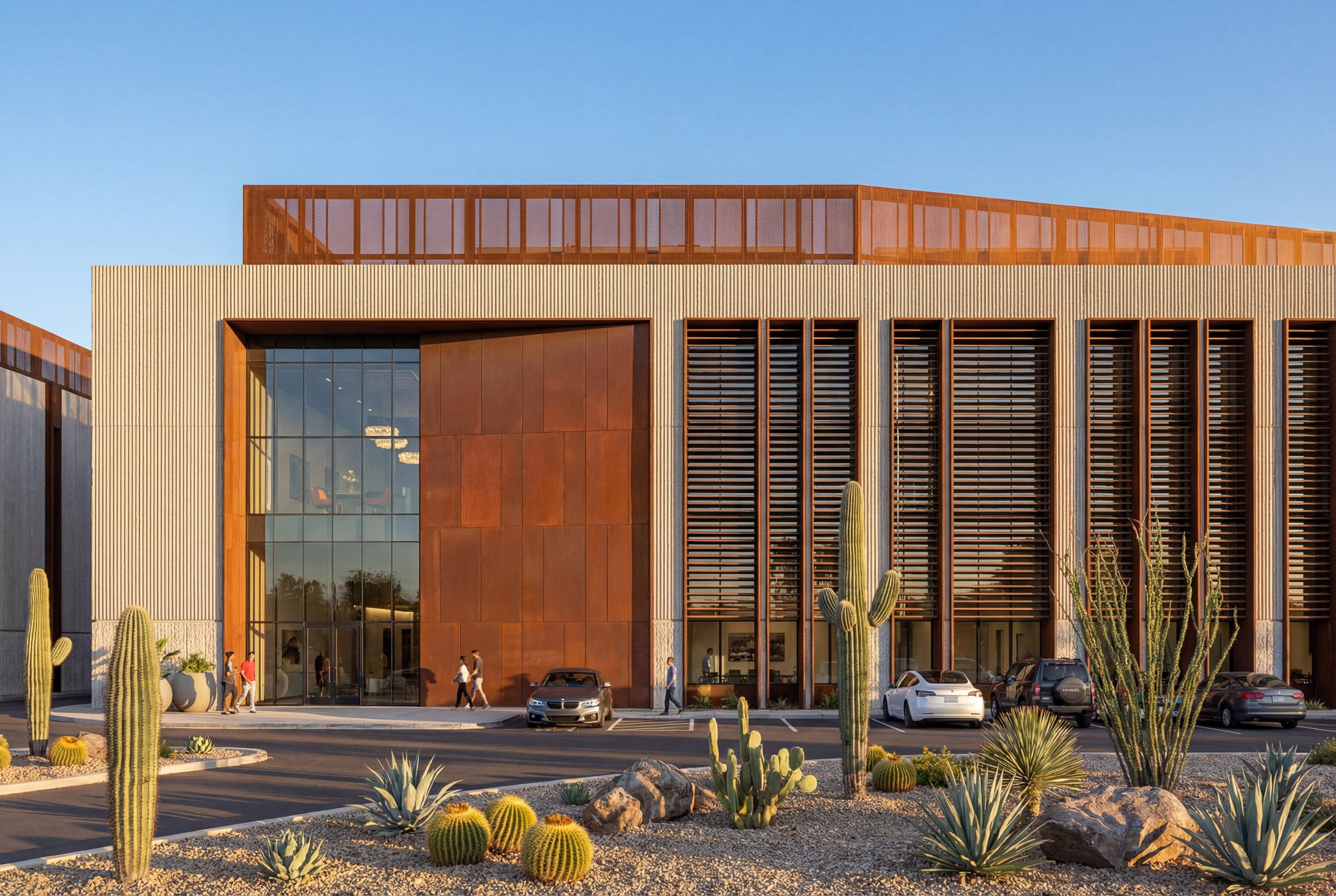
San Antonio's data center inventory concentrates in Westover Hills, where Microsoft's campuses and multiple colocation operators cluster along Highway 151 between Loop 410 and Loop 1604, with additional facilities near Port San Antonio and along the 1604 corridor. These are structurally robust buildings - concrete tilt-wall or steel frame with low-slope roofs - but the roof is doing a different job than it does on a warehouse. Below the membrane sits raised-floor white space, switchgear, UPS rooms, and battery strings where a single drip can trigger a failover event or worse. Owners and facility managers here don't ask us whether the roof leaks; they ask us to prove it can't, with moisture surveys, core data, and a documented maintenance record their uptime institute auditors will accept.
The operating constraints drive everything about how we work on these roofs. Hot work is typically prohibited or heavily permitted - no torches, and often no open-flame details of any kind - so we specify cold-applied adhesives, induction-welded TPO or PVC, and self-adhered base layers instead of torch-down mod-bit. Access runs through security: background checks submitted in advance, badging at the gate, and escorted crews on the roof, which means we plan work in longer, fewer visits rather than quick unescorted stops. Every rooftop task gets a method-of-procedure the facility team reviews before we set foot on the deck. Crews that treat a data center like a strip center get walked off the property, and rightly so.
Penetration density is the other defining problem. Redundant mechanical systems - N+1 or 2N cooling - mean twice the curbs, pipe penetrations, and conduit banks of a comparable building, and every one is a potential leak path directly above critical load. We map each penetration during the roof walk, flash them with target patches and pre-molded boots rather than field-improvised details, and pressure-test suspect areas before closing out. On the hail side, San Antonio sits in the April-June convective corridor, so we specify FM-rated, VSH-class assemblies: cover boards under the membrane, 80-mil sheets where the budget allows, and fastening patterns engineered to the corner uplift zones. When hail does hit, our photo-documented condition baseline is what makes the insurance claim move.
Frequently Asked Questions
- What happens during a roof scope for Data Center Roofing?
- We review roof access, the existing system, drainage, penetrations, leak or damage history, and any photos or warranty records you already have. Then we document the repair, replacement, coating, or maintenance path that fits the building and timing.
- How quickly can you look at Data Center Roofing in San Antonio?
- For active leaks or storm damage, send the address, photos, access notes, and timeline through the form. Those details help us route the call, prepare the roof walk, and avoid wasting time on the first visit.
- What information helps price Data Center Roofing accurately?
- The useful details are roof type, approximate square footage, age, leak locations, access constraints, tenant hours, warranty paperwork, and any insurance or capital planning deadlines. Photos of drains, seams, penetrations, and interior staining help us scope faster.