
Aviation roofing in San Antonio is less about the membrane and more about everything wrapped around it. A reroof at the San Antonio International Airport area, at Stinson Municipal, or on the Port San Antonio aviation campus means SIDA badging or escorts for every crew member, a FOD prevention plan the airport operations office will actually sign off on, and crane work that has to clear FAA Form 7460-1 airspace review before a boom ever goes vertical. We plan those constraints first, because they drive the schedule and the method more than the roof system does. A crew that shows up with the right membrane but no badging plan, no tool tethering protocol, and no debris containment doesn't get past the gate - and shouldn't.
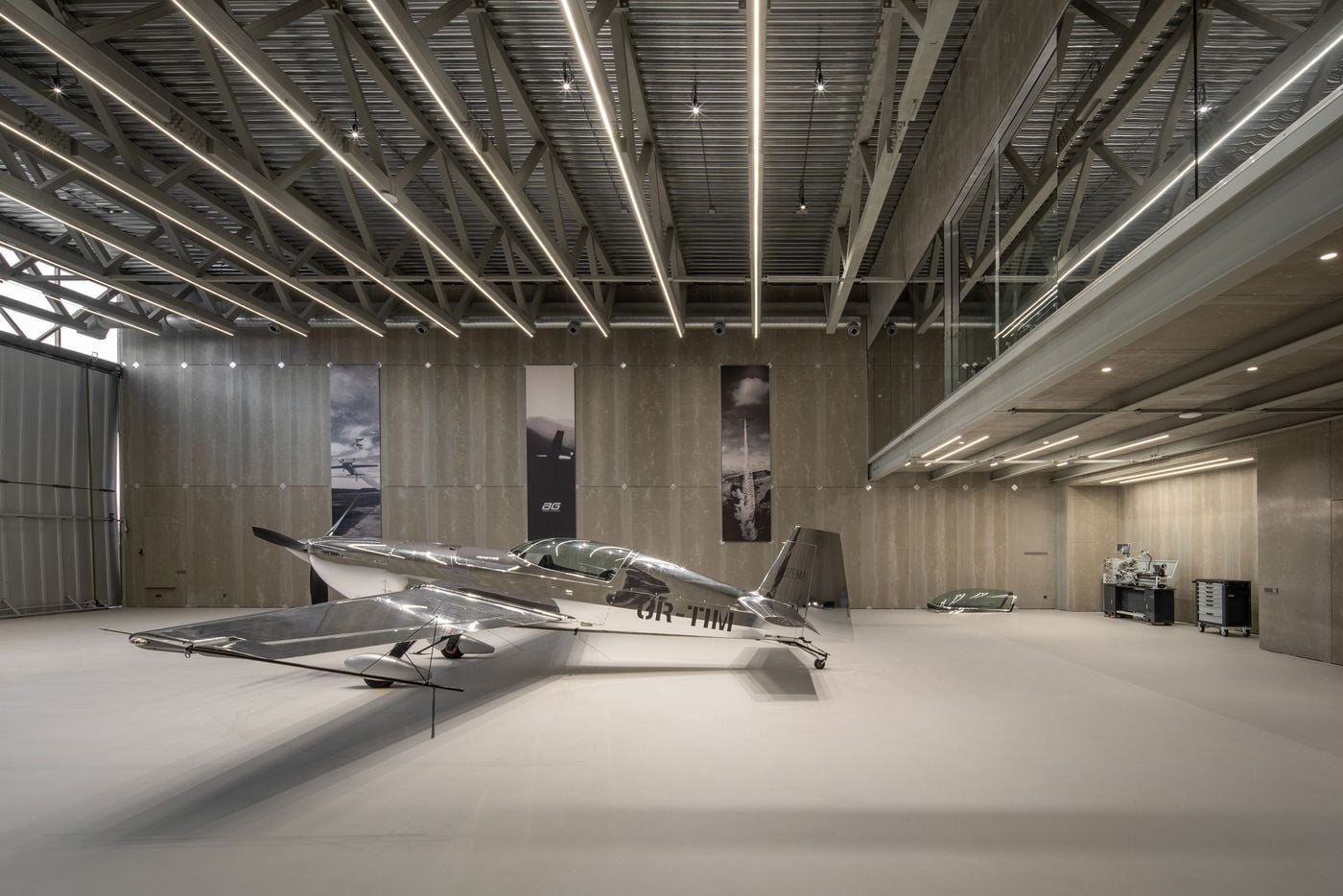
The buildings themselves split into two families. Terminals, FBO lobbies, and support offices are conditioned, occupied structures - usually low-slope TPO, PVC, or modified bitumen over metal or concrete deck, with heavy rooftop mechanical, security equipment penetrations, and interiors that cannot take a drip over ticketing counters or avionics benches. Hangars are the other family: long-span steel structures, frequently 100 feet or more between supports, carrying standing-seam or through-fastened metal roofs that move with thermal cycling. At 100°F-plus for much of the summer, with panel surfaces far hotter, fastener back-out and seam fatigue on those long spans are the usual leak sources - and the fix is different for each, so we document which one we're actually seeing.
Hail is the recurring event that forces the replace-versus-repair decision here. The April-through-June convective season that works Loop 410 and US-281 doesn't spare airfields; it dents hangar panels, fractures aged mod-bit surfacing, and bruises single-ply over rigid insulation. After a storm we walk the roof, photograph and map every impact against the roof plan, and separate cosmetic denting from functional damage - because on a metal hangar roof that distinction decides whether insurance is looking at a coating scope, panel replacement, or a full tear-off. Owners who hold that documentation before the adjuster arrives negotiate from evidence. Owners who don't tend to inherit the ambiguity.
Frequently Asked Questions
- What happens during a roof scope for Airport Terminal & Aviation Facility Roofing?
- We review roof access, the existing system, drainage, penetrations, leak or damage history, and any photos or warranty records you already have. Then we document the repair, replacement, coating, or maintenance path that fits the building and timing.
- How quickly can you look at Airport Terminal & Aviation Facility Roofing in San Antonio?
- For active leaks or storm damage, send the address, photos, access notes, and timeline through the form. Those details help us route the call, prepare the roof walk, and avoid wasting time on the first visit.
- What information helps price Airport Terminal & Aviation Facility Roofing accurately?
- The useful details are roof type, approximate square footage, age, leak locations, access constraints, tenant hours, warranty paperwork, and any insurance or capital planning deadlines. Photos of drains, seams, penetrations, and interior staining help us scope faster.