
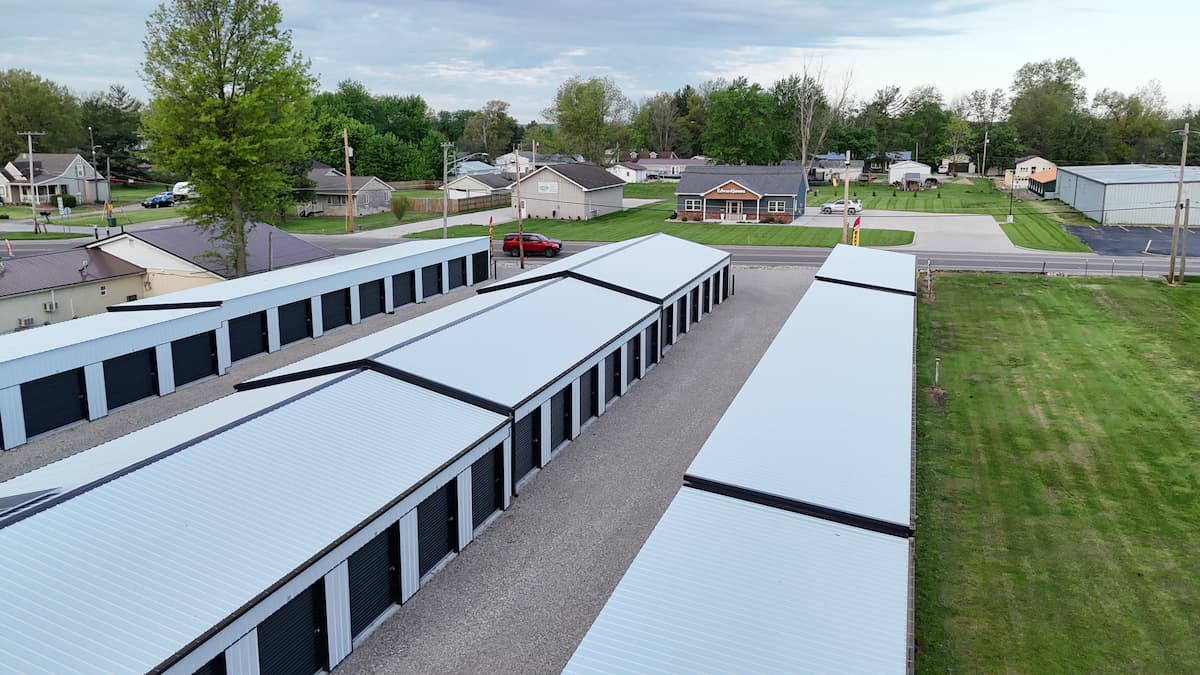
Self-Storage Facility Roofing in San Antonio, TX
StorAmerica Self Storage and Uncle Bob's locations have long served San Antonio's sprawling residential and military-adjacent communities, and keeping these large facilities' roof systems in peak condition is a genuine operational priority for any operator serving a city that faces both hurricane exposure and one of the most active hail zones in the United States. Commercial roofing for self-storage in San Antonio demands a contractor who understands the combination of Gulf Coast weather systems tracking into central Texas and the severe convective storms that produce large hail across Bexar County multiple times in a typical year.
Hurricane threat in San Antonio is indirect but real. The city sits far enough inland that direct coastal impacts are rare, but tropical systems tracking inland from the Gulf of Mexico regularly bring sustained winds, heavy rainfall, and in some cases tornado-producing cells to the San Antonio metro area. We detail perimeter flashings and edge metal on San Antonio storage roofs to meet Texas coastal county wind design standards where site-specific conditions warrant, and we pay particular attention to roof-to-wall transitions and parapet copings that are historically the first elements to fail when a tropical system arrives with sustained winds.
Hail is the acute physical damage risk that dominates insurance claims on San Antonio self-storage roofs. Bexar County experiences hailstorms producing stones of one inch diameter or larger several times per year on average, and two-inch-plus events occur with enough frequency that insurance adjusters and roofing contractors in this market have developed very efficient post-storm assessment protocols. We recommend impact-resistant membrane systems for new installations and re-roofing projects in San Antonio - TPO and PVC membranes with rated hail resistance - and we conduct post-storm assessments promptly after any event that produces hail in the facility's zip code.
Self-storage footprints along San Antonio's growing highway corridors - Loop 1604, US 281, and the expanding outer suburbs of Stone Oak and Helotes - are often very large, with single facilities covering fifty thousand square feet or more of low-slope roof. Scale matters in hail events: a large roof exposed to a hailstorm with widely spaced stones may sustain damage in some sections while other areas are undamaged. Post-storm infrared scanning identifies impact damage and any resulting moisture infiltration, allowing targeted repair rather than premature full replacement of an otherwise serviceable system.
Tenant protection in San Antonio means guarding stored goods through both the storm events and the brutal summer heat that follows them. San Antonio summers are long and hot, with temperatures regularly exceeding one hundred degrees Fahrenheit from June through September. Reflective membrane systems reduce rooftop temperatures and the radiant heat load on storage units below, providing meaningful temperature reduction in standard drive-up units and lowering cooling costs in climate-controlled buildings. This is not a cosmetic feature - it directly affects the condition of heat-sensitive items stored in non-cooled units.
Drainage design for San Antonio storage roofs must account for the region's intense summer thunderstorm events, which can produce very high short-duration rainfall rates in addition to the sustained precipitation of tropical systems. We size primary and overflow drainage using San Antonio's published IDF curves and size scuppers conservatively to handle the peak flows that both convective events and tropical remnants can deliver. Drain cleaning before each storm season is a standard recommendation for all San Antonio storage clients.
San Antonio's large military presence - Fort Sam Houston, Lackland Air Force Base, Joint Base San Antonio - drives a substantial self-storage market among active-duty personnel and their families who need storage during deployments, PCS moves, and housing transitions. These customers have zero tolerance for property damage from roof leaks. Storage operators serving military communities near these installations benefit from facilities with documented roof maintenance programs that demonstrate genuine commitment to protecting tenants' belongings.
Re-roofing logistics in San Antonio benefit from the region's relatively long dry windows in late spring and late fall, which allow large re-roofing projects to proceed with minimal weather interruption. Summer thunderstorm season requires careful day-to-day weather monitoring and the ability to rapidly secure open roof areas when unexpected cells develop. Our San Antonio crews maintain rapid-deployment tarping equipment at every job site from May through October.
From established facilities in the Medical Center area to newer developments along the Loop 1604 suburban ring, our San Antonio commercial roofing team brings the hail knowledge, hurricane preparation, and heat management expertise that self-storage operators in this market require. Contact us today for a post-storm assessment or a pre-season inspection that gives you a clear picture of your roof's current condition and what it will take to keep it performing through San Antonio's demanding weather environment.
Frequently Asked Questions
- How serious is the hail risk for San Antonio self-storage roofs?
- Very serious. Bexar County is one of the most active hail regions in the US, with stones of one inch or larger reported multiple times in a typical year. Impact-resistant membrane systems reduce damage risk, and prompt post-storm infrared scanning identifies damage early before moisture infiltration compounds the cost of repair.
- Do San Antonio storage roofs need hurricane-rated detailing?
- Yes, particularly for perimeter edge metal, copings, and roof-to-wall flashings. Tropical systems tracking inland from the Gulf bring sustained winds to San Antonio that test these components. Enhanced perimeter securement details appropriate to the site's wind design category provide meaningful protection at modest incremental cost.
- What membrane system best resists hail on a San Antonio self-storage roof?
- Impact-rated TPO and PVC membranes with documented resistance to specific hail sizes are the preferred choice. Some membrane manufacturers offer warranties that address hail damage under certain conditions. We evaluate these warranty terms carefully, as the language varies significantly between products and manufacturers.
- How do I handle an insurance claim after a hailstorm damages my San Antonio storage roof?
- Contact us for a prompt post-storm assessment with infrared scanning before filing the claim. Documenting the full extent of damage - including any subsurface moisture from punctures - ensures your claim captures the complete scope of needed repairs. We work directly with commercial insurance adjusters throughout the San Antonio market.
- Does San Antonio's heat affect roofing material selection the same way Phoenix does?
- San Antonio is hot but also very humid, which introduces a different set of concerns than Phoenix's dry desert heat. Reflective membranes are still the right choice for energy savings and tenant protection, but vapor management design must account for the Gulf Coast humidity that differentiates San Antonio's climate from the low-humidity Southwest.