
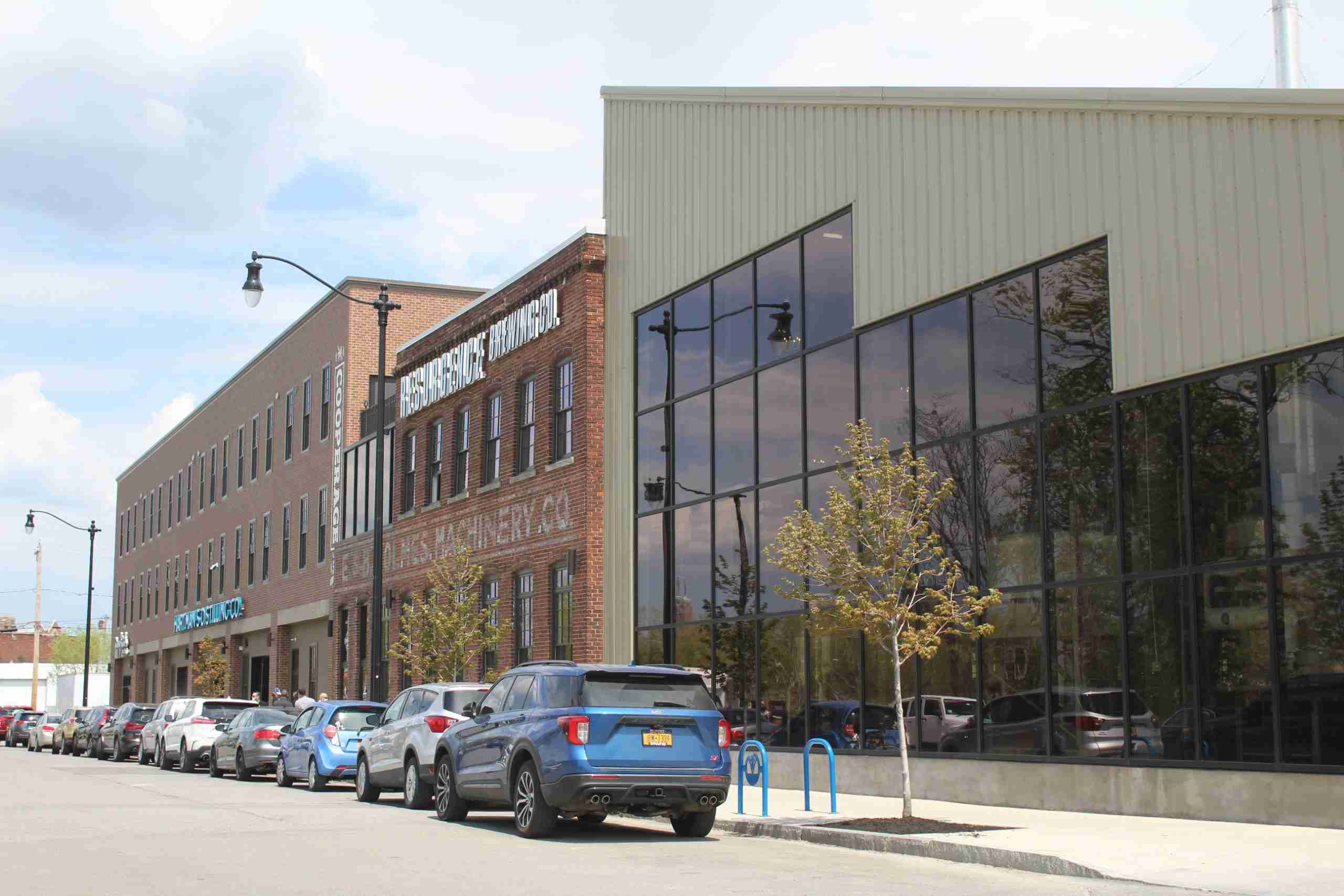
San Antonio has been a brewing town since Pearl and Lone Star were pouring at industrial scale, and the modern version of that inventory is more varied than most owners realize - craft breweries in converted warehouses near the Pearl and along the St. Mary's Strip, distilleries in metal buildings off Loop 1604, and food production plants strung along the IH-35 and IH-10 corridors on the South and East Sides. What ties them together from a roofing standpoint is process load. Brew kettles, mash tuns, stills, and cook lines push steam, heat, and CO2 up through the deck, and every one of those penetrations - vent stacks, boiler flues, condensate lines, makeup-air units - is a flashing detail that fails years before the field membrane does. We scope these roofs penetration-first, because that is where the leaks start.
The interior environment works against the roof as hard as the Texas sun does. Wash-down sanitation cycles drive humidity into the ceiling plenum every single day, and when that moisture-loaded air hits the underside of a deck that has been baking at 160-170°F all afternoon and then radiating heat off at night, you get condensation cycles that rot insulation and corrode metal decks from below. Grain dust and organic residue accumulate around mills and silos and hold moisture against flashings and fastener heads. On older mod-bit and metal roofs we routinely find the worst deterioration clustered around the brewhouse and the boiler stack, not spread evenly across the field - which is why a repair-versus-recover decision for these buildings has to be based on core cuts and a deck-side look, not a walkover alone.
Then there is the audit file. Food and beverage producers answer to sanitation inspections, third-party audits like SQF and BRC, and - for anything with a TTB or FDA touchpoint - documentation standards that treat a stained ceiling tile over a production line as a finding, not a maintenance note. A roof leak over a fermentation cellar or a packaging line is a contamination pathway on paper the moment an auditor sees it. Our written scopes are structured so an owner can drop them straight into that file: photographed conditions at every penetration, moisture survey results, drainage and scupper capacity against San Antonio's 30-plus inches of burst-pattern rainfall, and a clear recommendation with repair, recover, and replacement pricing logic laid out so the decision is defensible to a bank, an insurer, or an auditor.
Frequently Asked Questions
- What happens during a roof scope for Brewery, Distillery & Food Production Roofing?
- We review roof access, the existing system, drainage, penetrations, leak or damage history, and any photos or warranty records you already have. Then we document the repair, replacement, coating, or maintenance path that fits the building and timing.
- How quickly can you look at Brewery, Distillery & Food Production Roofing in San Antonio?
- For active leaks or storm damage, send the address, photos, access notes, and timeline through the form. Those details help us route the call, prepare the roof walk, and avoid wasting time on the first visit.
- What information helps price Brewery, Distillery & Food Production Roofing accurately?
- The useful details are roof type, approximate square footage, age, leak locations, access constraints, tenant hours, warranty paperwork, and any insurance or capital planning deadlines. Photos of drains, seams, penetrations, and interior staining help us scope faster.