
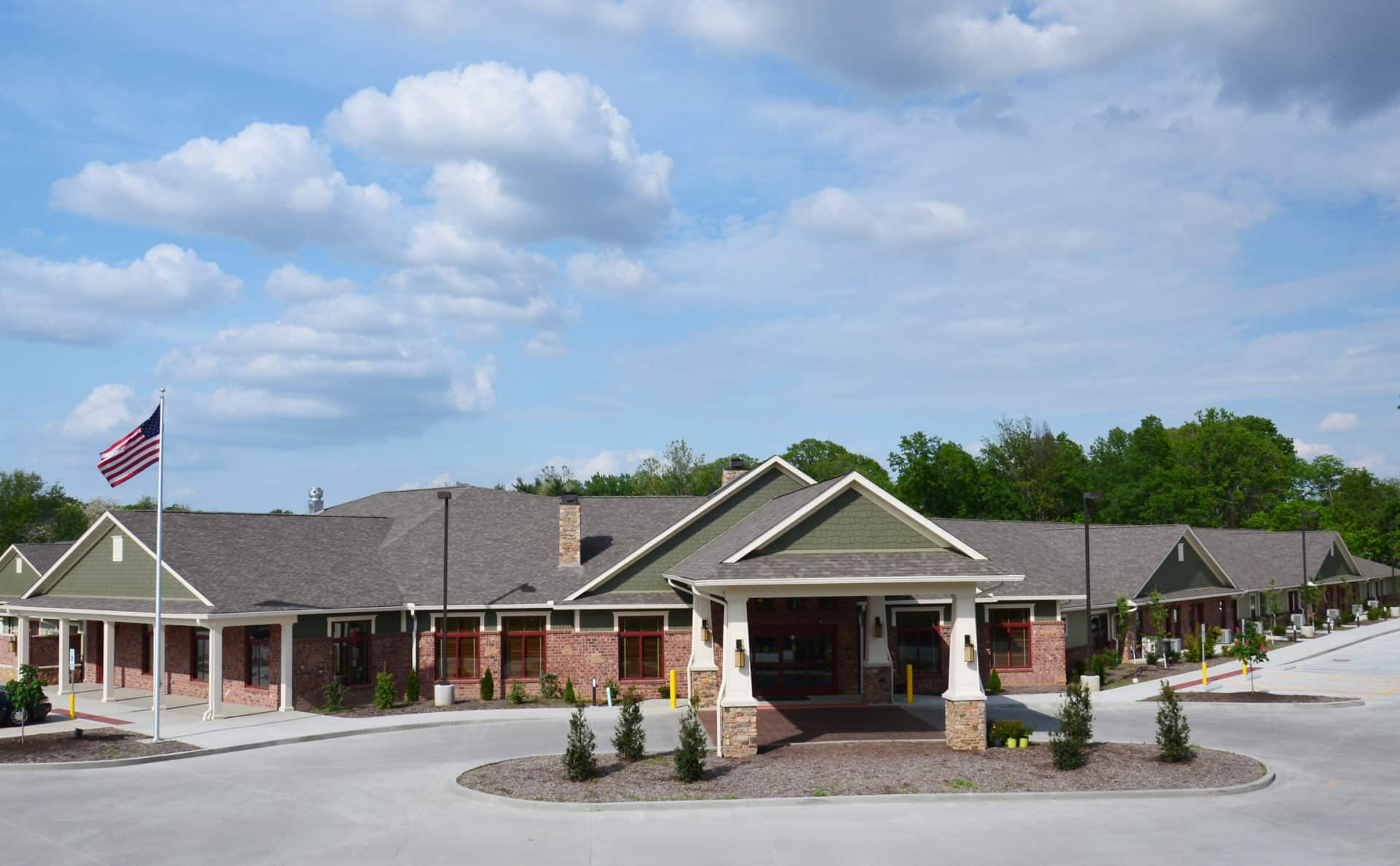
A senior living roof project is the only commercial job where the entire occupant population stays in the building for the duration - around the clock, with no option to relocate. Residents in memory care wings are disoriented by unfamiliar noise; residents on oxygen are sensitive to adhesive and torch fumes; afternoon rest hours are non-negotiable. So before we price anything, we sequence it: which wings get worked when, where tear-off debris travels, how far kettles and adhesive staging sit from air intakes, and which fire lanes stay clear for EMS access. Our project managers coordinate directly with the executive director and the maintenance lead, in writing, so nursing staff can answer family questions before the first crew arrives. That planning document usually matters as much to an operator as the roof system we install.
Physically, San Antonio senior living campuses are hybrids. Communities in Stone Oak, Shavano Park, and along the US-281 and Loop 1604 corridors typically pair steep-slope shingle or tile roofs over resident wings with low-slope TPO or modified bitumen over commercial kitchens, dining, mechanical rooms, and connecting corridors. The flat sections carry the hard penetrations - kitchen grease exhaust, emergency generator flues, packaged HVAC units, nurse-call and fire-alarm conduit - and those penetrations are where most leaks start. A leak over a corridor ceiling is not just drywall damage in this building type; it is a wet ceiling tile a state surveyor or a touring family sees, and it can put life-safety wiring at risk. We scope flat and pitched sections as one system, because the transitions and dead valleys between them fail first in a 30-inch rain year.
Hail drives most of the replacement work we scope on senior living properties. April-through-June convective storms track across the North Side, where much of the city's assisted living inventory sits, and a 160-170°F summer roof surface ages shingles and single-ply membranes fast enough that carriers scrutinize every claim. We document senior living roofs the way an adjuster needs them documented: test squares, dated photos of every slope and every rooftop unit, core cuts on the flat sections, and a written condition report that separates hail damage from thermal wear. For an operator, that file does double duty - it supports the insurance claim and it answers the capital-planning question of whether a recover over the existing single-ply (one recover layer is allowed by code) buys ten years, or whether the wet insulation underneath forces a tear-off.
Frequently Asked Questions
- What happens during a roof scope for Senior Living Facility Roofing?
- We review roof access, the existing system, drainage, penetrations, leak or damage history, and any photos or warranty records you already have. Then we document the repair, replacement, coating, or maintenance path that fits the building and timing.
- How quickly can you look at Senior Living Facility Roofing in San Antonio?
- For active leaks or storm damage, send the address, photos, access notes, and timeline through the form. Those details help us route the call, prepare the roof walk, and avoid wasting time on the first visit.
- What information helps price Senior Living Facility Roofing accurately?
- The useful details are roof type, approximate square footage, age, leak locations, access constraints, tenant hours, warranty paperwork, and any insurance or capital planning deadlines. Photos of drains, seams, penetrations, and interior staining help us scope faster.