
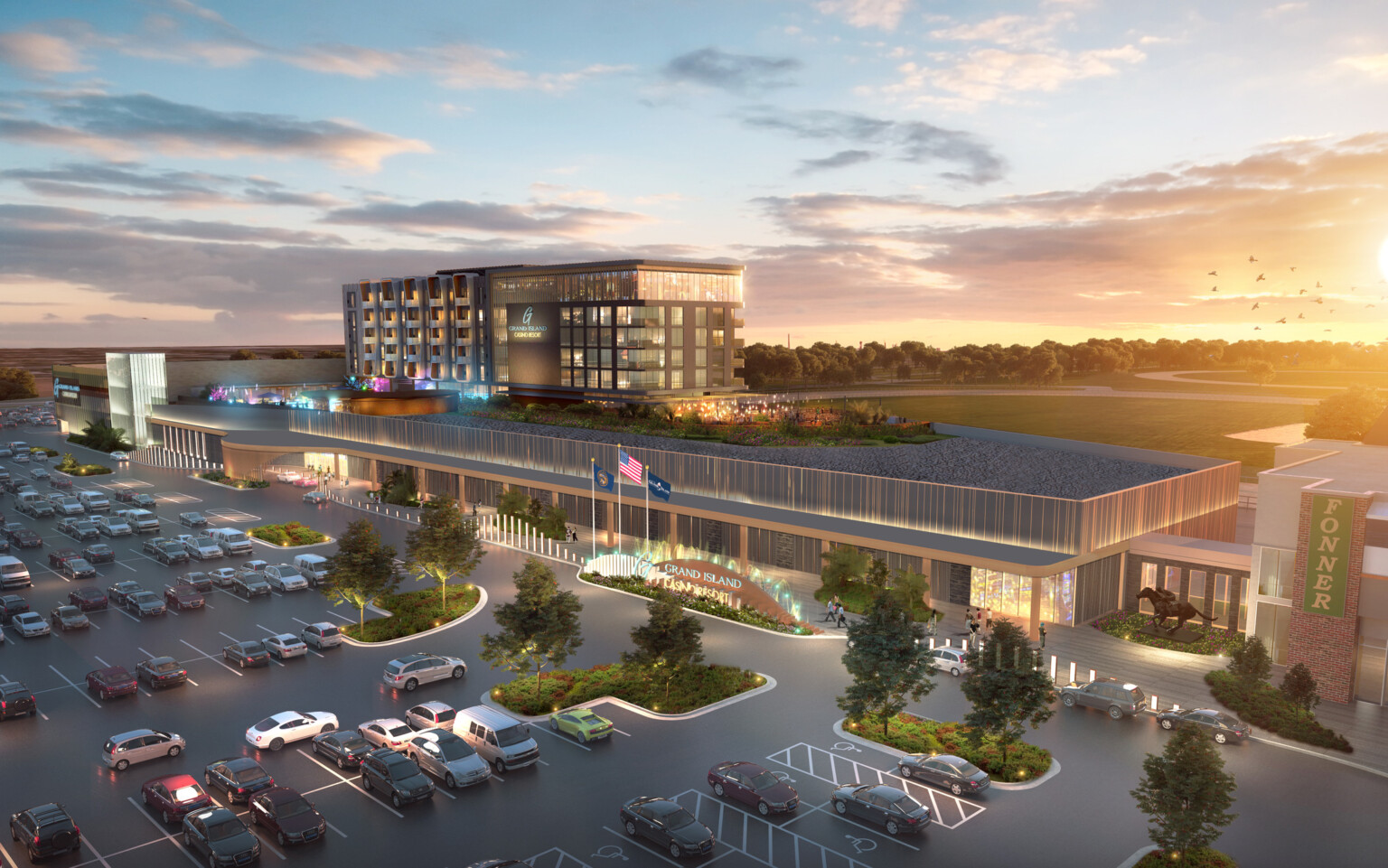
Hotel and Hospitality Property Roofing in San Antonio, TX
San Antonio operates one of the most distinctive hospitality markets in Texas, where the River Walk, the Alamo, and a calendar packed with conventions, military events, and Fiesta San Antonio drive hotel demand that is both substantial and highly seasonal. The city's full-service hotel inventory-driven by properties like the Grand Hyatt, Marriott Rivercenter, and JW Marriott Hill Country-serves a convention and leisure market that places premium value on exterior building quality and guest experience. At the same time, a large limited-service and extended-stay segment along Loop 410, Loop 1604, and the Stone Oak corridor serves the military, healthcare, and corporate demand generated by the city's largest employment sectors.
Texas's Gulf Coast weather patterns extend their influence well into San Antonio, and the city experiences a hot, humid summer that places significant demands on hotel roofing systems. Summer rooftop temperatures in San Antonio regularly exceed 150 degrees Fahrenheit on conventional dark membranes, driving cooling loads that represent one of the largest variable operating expenses for hotel owners. TPO and other reflective membrane systems that reduce rooftop temperatures by 40 to 60 degrees compared to conventional materials are now the standard specification for San Antonio hotel roofing projects because the energy savings alone can justify the incremental cost over less reflective alternatives within a few years of installation.
The River Walk hotel corridor presents unique roofing maintenance challenges because properties in this environment are embedded in a dense urban fabric with limited access and visibility for rooftop work. River Walk hotels typically have multiple roof levels, complex roof plans with numerous mechanical equipment installations, and pool structures that require specialized roofing maintenance separate from the main building roof. The narrow access lanes adjacent to the River Walk limit the equipment and crew deployment that would be straightforward on suburban hotel properties, and roofing contractors working in this environment must be experienced with the logistical constraints of urban core hotel maintenance in San Antonio's unique pedestrian tourism district.
San Antonio's military sector-with Joint Base San Antonio encompassing Fort Sam Houston, Lackland Air Force Base, and Randolph Air Force Base-generates consistent extended-stay demand from personnel in transition, families accompanying service members, and contractors supporting base operations. Extended-stay properties serving this military demand base on the north and northwest sides of the city compete for accounts with corporate travel managers who coordinate housing for military rotations. Maintaining building quality that meets the expectations of these institutional accounts-which includes functional, well-maintained guest environments free from moisture-related maintenance issues-is a commercial priority that directly supports extended-stay revenue stability.
Hailstorms represent a significant and underappreciated roofing risk for San Antonio hotel properties. The Texas Hill Country and San Antonio metro area falls within a section of the country that climatologists identify as part of the southern extension of "Hail Alley," and severe thunderstorms capable of producing two-inch and larger hailstones move through the region multiple times annually. A severe hailstorm can puncture TPO and EPDM membrane surfaces, crack aged modified bitumen assemblies, damage rooftop HVAC equipment, and destroy skylights and translucent roofing panels in a single event. Hotel operators without emergency response protocols and insurance documentation practices in place before a hail event face chaotic post-storm conditions that delay necessary temporary protection and increase interior damage accumulation.
The convention business cycle is central to how San Antonio full-service hotel operators plan their capital maintenance calendars. The Henry B. González Convention Center's significant capacity drives concentrated group business into the first and fourth quarters, with summer leisure travel supplementing occupancy during the July and August window. Major roofing work is most effectively scheduled in late September through November, when post-Fiesta San Antonio convention traffic softens and before the fourth-quarter event surge begins. This narrow window requires advance planning and contractor commitment well ahead of the construction mobilization date to ensure material procurement and crew scheduling align with the limited available operating window.
Brand PIPs affecting San Antonio hotel properties reflect the city's competitive market, where Marriott, Hilton, Hyatt, and IHG all maintain significant flag presence and regularly update their standards to reflect newer properties entering the market. The opening of the JW Marriott Hill Country Resort and the continued expansion of resort inventory in the Stone Oak and Medical Center corridors has elevated brand expectations across the full-service tier. Roofing and building envelope condition is part of the exterior assessment in every major flag's PIP process, and properties showing UV-degraded membranes, failed parapet coping, or deteriorated HVAC equipment flashings are likely to receive mandatory roofing replacement requirements as part of a comprehensive PIP scope.
Pool deck roofing and shade structure maintenance is particularly important for San Antonio hotel properties because outdoor pool amenities are used nearly year-round in this climate and represent a significant driver of guest satisfaction scores during the long warm season. Covered pool areas, cabana structures, and shade sails attached to parapet walls or roof edge structures all require periodic inspection and maintenance to ensure structural integrity and waterproofing performance. The combination of intense UV exposure, high summer temperatures, and occasional severe weather creates accelerated wear conditions on pool structure roofing that requires more frequent attention than main building roof sections in comparable positions.
San Antonio's continued population and economic growth supports hotel development activity in the Pearl District, the Medical Center expansion area, and the emerging Southeast Side corridors near the Toyota plant and international trade zone. New hotel construction in Bexar County must comply with Texas energy code requirements for commercial roofing assemblies, and the Alamo Area Council of Governments has been active in promoting sustainable building practices that include reflective roofing requirements beyond minimum code. Developers working with design teams on new San Antonio hotel projects who specify high-performance roofing systems at construction achieve both code compliance and operational cost advantages that improve asset returns throughout the investment hold period.
Frequently Asked Questions
- How should San Antonio hotel operators prepare for hailstorm damage to their roofing systems?
- San Antonio hotel operators should document their roof membrane condition annually with photographs and inspection reports that establish a pre-storm baseline, which is essential for insurance claims following hail events. Property insurance policies for Texas commercial properties typically include wind and hail coverage, but claim documentation requires clear evidence of pre-storm condition and post-storm damage. Establishing a relationship with a commercial roofing contractor before storm season ensures that post-storm inspections and emergency temporary protection can be mobilized quickly when demand for roofing services surges across the region after a widespread hail event.
- What makes the River Walk hotel corridor a unique roofing maintenance environment?
- River Walk hotels operate in a dense urban environment with limited equipment access, multiple roof levels, and complex roof plans that require crews experienced with constrained urban hotel maintenance logistics. Properties adjacent to the River Walk must manage roofing work without disturbing the pedestrian tourist environment below, which limits crane access, debris management options, and work hours. Contractors with specific experience on San Antonio River Walk properties understand the permitting, scheduling, and logistical requirements that make this environment different from suburban hotel roofing work.
- How does San Antonio's military sector demand affect extended-stay hotel roofing maintenance priorities?
- Extended-stay properties serving Joint Base San Antonio military accounts and contractor populations are evaluated by institutional travel managers who coordinate housing for large groups on specific maintenance and condition standards. Roof-related moisture intrusion, ceiling staining, musty conditions, or HVAC performance problems traceable to roofing deficiencies are reported through institutional complaint channels that can trigger account reviews and relocation decisions affecting hundreds of room-nights. Treating roofing maintenance as an account retention tool, not just a physical plant function, is the appropriate perspective for properties heavily dependent on military and contractor extended-stay revenue.
- What is the optimal timing for major roofing projects at San Antonio convention hotels?
- San Antonio's convention calendar creates competing demands on roofing project scheduling, with the Henry B. González Convention Center driving concentrated group business in spring and fall that leaves limited disruption-tolerant windows. Late September through early November offers the best combination of moderate temperatures, reduced convention activity between the summer leisure season and the fourth-quarter event surge, and acceptable roofing weather for membrane installation. Coordinating with the hotel's sales and operations teams to identify blocked occupancy periods and planning the roofing project scope and schedule around those constraints improves the quality of both the construction execution and the guest experience during the project.
- How does San Antonio's climate affect TPO membrane service life projections?
- San Antonio's combination of intense UV exposure from abundant sunshine and high summer temperatures creates operating conditions that can accelerate TPO membrane surface degradation beyond what manufacturers' warranties-calibrated to national average conditions-project. Annual surface condition inspections that look for chalking, surface cracking, and seam opening allow early identification of UV-related degradation and timely protective coating or repair applications that extend membrane service life. Properties in the northern San Antonio suburban areas with less shade obstruction from neighboring buildings typically experience higher UV loading than River Walk properties with adjacent taller structures casting partial shade.