
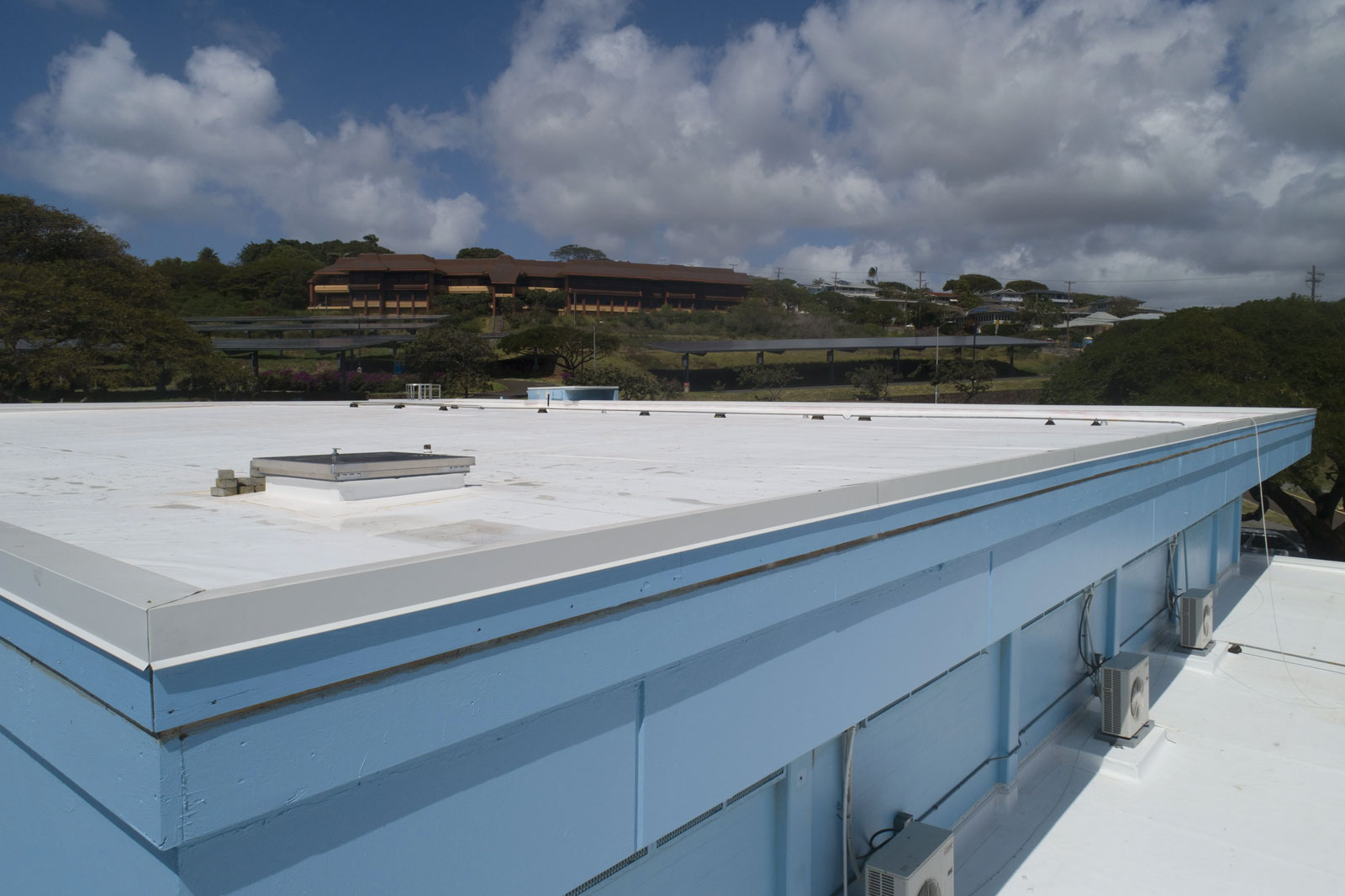
PVC Roofing - Restaurant, Hospitality, and Chemical-Exposure Applications
Roofing Services

PVC Roofing - Restaurant, Hospitality, and Chemical-Exposure Applications

PVC commercial roofing for San Antonio restaurants, breweries, and chemical-exposure facilities - Pearl District, Southtown, and hospitality corridors. 25-year warranty paths with grease-resistance and chemical-compatible flashings.

Scope Type
Roofing Services
Location
San Antonio, TX
Status
Scheduling Roof Walks
Focus
Repair history, moisture risk, roof access, system condition, and replacement timing.

The Pearl District - the mixed-use redevelopment of the former Pearl Brewery campus north of downtown on Broadway - is one of San Antonio's most concentrated restaurant environments. Culinary Institute of America San Antonio, Hotel Emma, La Gloria, Cured, and a dozen other food-and-beverage operations occupy a few city blocks. Every one of those buildings exhausts animal fats and cooking oil vapor from kitchen hood systems directly onto the roof surface. TPO and EPDM membranes exposed to sustained animal fat exhaust degrade within three to five years - the oil attacks the membrane chemistry and causes cracking, delamination, and seam failure.

We specify PVC for any San Antonio commercial building with significant food-service, brewery, or chemical-exhaust exposure at the roof surface. PVC is resistant to animal fats, vegetable oils, and a range of chemical compounds that attack competing membranes. We install 50-mil and 60-mil PVC systems with 20- to 25-year manufacturer warranty paths and PVC-compatible flashings at all exhaust penetrations.

Why PVC for Restaurant and Hospitality Roofs

TPO contains polypropylene and EPDM is an ethylene-propylene rubber - both are vulnerable to sustained petroleum-based oil exposure. The exhausted fats from commercial kitchen hoods that are not caught by a grease trap migrate to the roof surface and pool around the exhaust penetrations. Within a year or two of exposure, TPO and EPDM in those areas will show cracking, shrinkage, and seam separation radiating from the exhaust hood locations.

PVC (polyvinyl chloride) is inherently resistant to animal fats and most cooking oils. It also welds with hot-air tools like TPO, producing seams that are as strong as the membrane itself when properly executed. We use PVC-formulated flashing material at all kitchen exhaust penetrations - not EPDM accessories, which are common on TPO jobs but are not chemical-compatible - and document the flashing specification at closeout.

In San Antonio's River Walk hotel corridor, the food-service buildings in the Southtown arts and entertainment district along South Alamo Street, and the brewery taprooms that have proliferated in the Pearl and Blue Star districts, we see consistent demand for PVC re-roofing on buildings that were previously on TPO or EPDM that failed prematurely due to chemical exposure.

PVC System Specifications and Warranty Paths

We install PVC from Sika Sarnafil, Duro-Last, and Versico - manufacturers with the strongest field representation in the San Antonio market and the most robust chemical-resistance documentation for their PVC formulations. The baseline specification for restaurant applications is 60-mil PVC fully adhered over polyiso insulation with tapered insulation at all drains.

Fully adhered is the standard attachment method for restaurant roofs because it eliminates the through-membrane fastener points that mechanical attachment requires - each fastener point is a potential animal-fat infiltration path on a restaurant roof. The fully adhered membrane also minimizes membrane flutter, which reduces the long-term stress on seams that building exhaust systems and air handlers create.

Warranty terms: 20-year NDL warranties are available on 50-mil PVC; 25-year NDL warranties are available on 60-mil from select manufacturers. The warranty requires documented annual maintenance, including documented cleaning of the membrane around exhaust penetrations - animal fat accumulation on PVC, while not degrading the membrane, can block drain flow and create ponding. We include the cleaning protocol in the maintenance contract.

Fire resistance: PVC is inherently fire-resistant - it does not require a fire-retardant additive to achieve the Class A fire rating. On restaurant roofs where cooking equipment is directly below, this is a relevant consideration for the building's insurance documentation.

Chemical-Exposure Environments Beyond Restaurants

Restaurant exhaust is the most common chemical-exposure application for PVC in San Antonio, but it is not the only one. The pharmaceutical and medical device manufacturing facilities near the South Texas Medical Center, the automotive finishing and paint operations along the IH-35 South industrial corridor, and the chemical distribution facilities in the Southeast Side industrial zones all present exhaust chemistries that can degrade TPO or EPDM.

We assess the specific chemical exposure at each building before specifying PVC. Not all chemical environments are the same - some compounds that attack TPO do not attack EPDM, and some that attack both are neutralized by the right PVC formulation. When the exposure chemistry is industrial rather than food-service, we consult the manufacturer's chemical resistance chart and confirm in writing that the specified PVC formulation is rated for the identified compounds before we execute the scope.

Ketamine and solvent exhaust from pharmaceutical operations, acid vapors from battery storage facilities, and petroleum distillate exhaust from fuel distribution centers are all environments we have specified PVC for in the San Antonio metro. The documentation from those engagements gives us a reference base for new chemical-exposure scoping.

Frequently asked questions

Can I put PVC over an existing TPO or EPDM roof at a San Antonio restaurant?

In some cases, yes. PVC can be fully adhered over a clean, dry TPO substrate if the existing membrane is flat, the insulation is dry, and the deck is sound. PVC should not be adhered directly over EPDM - the plasticizers in PVC migrate into EPDM over time, causing delamination. If the existing system is EPDM, we scope a full tear-off before the PVC installation. We verify recover eligibility with moisture cores and an adhesion test before quoting a recover project.

How much more does PVC cost than TPO on a San Antonio restaurant roof?

At current San Antonio material and labor rates, 60-mil PVC fully adhered runs approximately 15 to 25 percent more per square foot installed than 60-mil TPO mechanically attached. On a 5,000 sq ft restaurant roof, the premium is meaningful but not prohibitive - and it is a direct cost of the chemical resistance that makes PVC the appropriate specification for that building. The alternative is a TPO or EPDM roof that needs replacement in four to six years.

Do you handle the kitchen exhaust hood penetration details on a PVC re-roof?

Yes. Kitchen exhaust hood penetrations are the critical detail on a restaurant PVC roof. We fabricate custom PVC flashing collars at each exhaust penetration, weld them to the field membrane, and seal the collar to the exhaust duct with a PVC-compatible sealant. We photograph every exhaust penetration at closeout and document the flashing detail against the manufacturer's specification.

Scoping a PVC roof for a San Antonio restaurant or hospitality building?

We assess the exhaust chemistry, specify the right PVC formulation, and produce a written scope with 25-year warranty path and chemical-compatible flashing details.

Request a Roof Scope

Need PVC Roofing - Restaurant, Hospitality, and Chemical-Exposure Applications?