
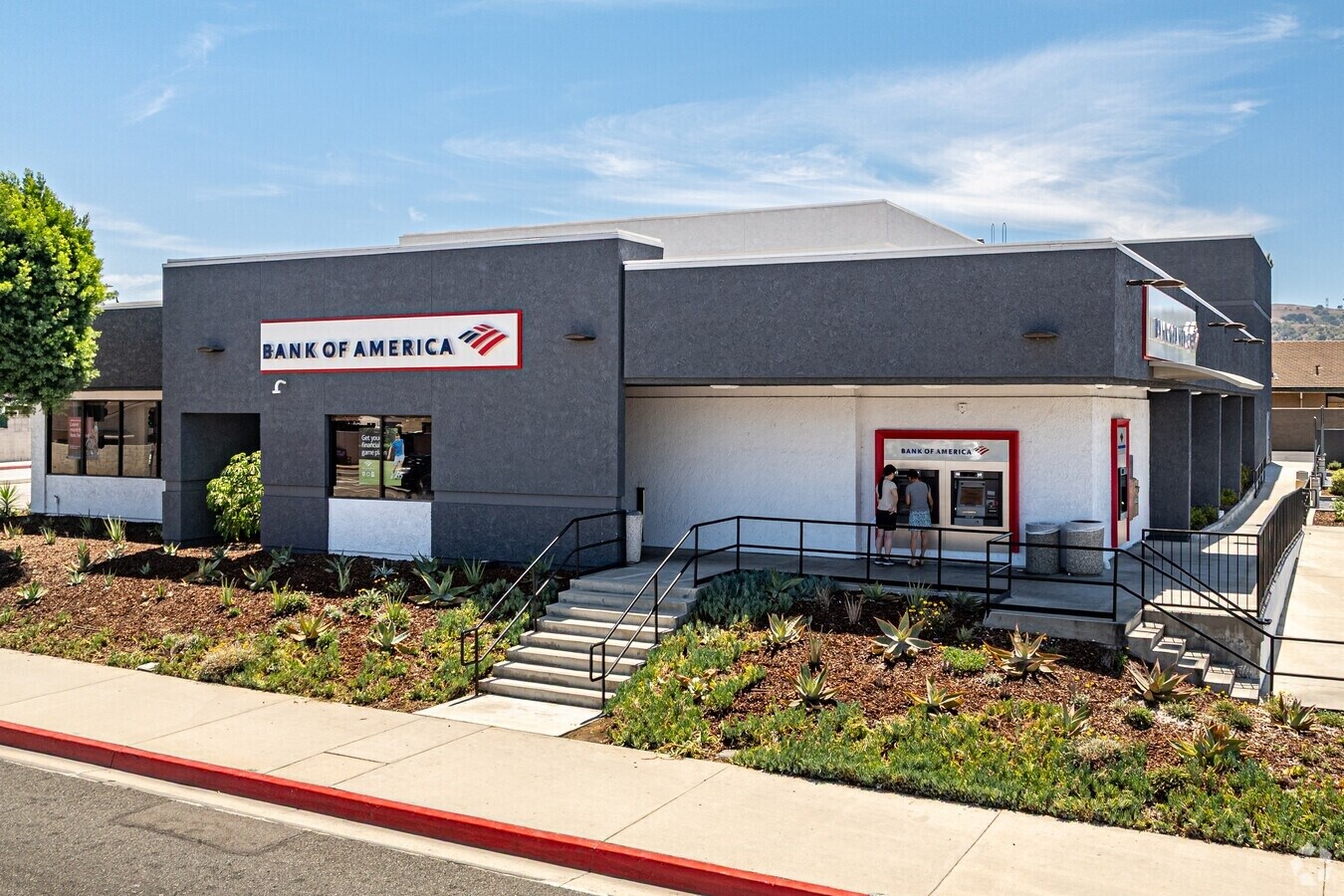
Bank & Financial Building Roofing in San Antonio, TX
A bank branch has one of the smallest roofs we work on and one of the least forgiving. The footprint is modest, but the building sits at a busy corner with the brand's name lit above the door, and a water stain on a lobby ceiling reads to every customer as a sign that the institution does not keep its own house in order. Below that small flat roof are the things a bank cannot afford to get wet: a vault, a server closet running the branch's transactions, and a teller floor full of people during business hours. The job is to do thorough work on a high-visibility building without the branch ever feeling it, and to make a roof this size leak-tight in spite of how busy it is.
Because for its size, a branch roof is busy. The drive-through canopy ties back into the building, an ATM enclosure pokes through, a generator with its transfer switch and rooftop exhaust handles outages, and a precision cooling unit keeps the server room in range. Each of those is a separate flashing problem on a roof that looks simple from the curb. The drive-through canopy is the chronic offender: the point where the canopy roof meets the building wall takes thermal cycling, overspray off vehicles, and differential settlement, and a standard retail flashing detail does not hold there for long. We treat that transition as its own scope item, never as part of the field membrane, because replacing the field alone never fixes a canopy leak.
Where San Antonio Banks Its Money
The financial buildings cluster in recognizable places. Downtown holds the corporate and headquarters towers along the Houston Street and Commerce Street spine, where the roofs are higher, the security tighter, and the mechanical heavier. The Highway 281 north corridor through the Quarry and up toward Stone Oak is thick with retail branches and credit-union offices serving the affluent north side, most of them single-story buildings with drive-throughs. And the established neighborhoods around Loop 410 and on the West and South sides hold older branches and community-bank buildings whose roofs are now well into their replacement window. San Antonio is also a notable insurance and financial-services town thanks to USAA's presence, which means a deep inventory of back-office financial buildings beyond the retail branches.
Those settings change the work. A downtown headquarters roof carries security and access rules closer to a government building, while a 281-corridor branch is a quick high-visibility job that has to be in and out without ever closing the drive-through during banking hours. We scope each to what the specific building and its operator require.
What a Branch Roof Demands
The field itself is usually straightforward low-slope work, and a 60-mil TPO carries the heat well and gives the branch a reflective surface that helps the cooling load. The skill is not in the field; it is in the details and the access. We document every penetration before pricing, raise any undersized curbs to warranty height, and give the canopy connection a flashing detail built for the movement it actually sees. On the smaller branch roofs, drainage is easy to overlook precisely because the roof is small, so we confirm the scuppers and drains clear rather than assuming a little roof cannot pond.
Security shapes a financial job more than it shapes almost any other property type. Contractor badging, escort requirements near vault-adjacent areas, and camera documentation of crew activity are routine at bank-owned buildings here. We build the security-coordination timeline and the crew credentialing into the bid from the start so they are not a surprise that shows up as a change order after the contract is signed. Where a vault sits directly under a roof zone, we locate it from the drawings before mobilizing, work that zone only in approved windows, and confirm with the security team that vibration or temporary access changes will not touch active vault operations.
- Canopy transition re-flashed as its own scope item, the single most common branch leak source.
- Reflective 60-mil TPO field with every penetration documented and undersized curbs raised.
- Security coordination badging, vault-zone escorts, and camera documentation built into the bid timeline.
- Off-hours sequencing with daily dry-in confirmed before the branch opens each morning.
- Drainage verification on small roofs that are easy to assume cannot pond.
Why a Small Roof Is Easy to Neglect
The trap with a branch is that the roof is too small to worry anyone until it leaks. A facilities manager overseeing a portfolio of branches across San Antonio naturally spends attention on the big-square-footage buildings, and the thousand-square-foot roof over a 281-corridor branch slides down the list. But a small roof fails the same way a large one does, and it tends to fail at the details, the canopy tie-in, the ATM curb, the parapet corner, which are precisely the spots that get skipped when a roof feels too minor to inspect. We push branch owners toward a simple preventive rhythm: a look after every hard storm and a documented walk on a regular cycle, because on a roof this size catching a flashing failure early is the difference between a sealant repair and a soaked server room.
Appearance is part of the value too, in a way that does not apply to a warehouse. A branch roof and its parapet edge are visible from the street and from the drive-through lane, and a sagging coping cap or a stained fascia undercuts the polished look the brand spends so much to project. When we reroof a branch we treat the visible edge metal and the canopy fascia as part of the finished product, not an afterthought, so the building reads as well-kept from the customer's seat in the drive-through as it does on the roof.
Fit to Banking Hours and Portfolio Owners
Branches keep tight hours, often Monday through Saturday, so we concentrate the loud tear-off and installation into off-hours and weekends and confirm each section is watertight before the doors open. We coordinate work windows, noise limits during customer service, and any roof-access escorts with the branch manager and the corporate facilities team. The closeout package matches what a financial real-estate department expects: insurance and license verification before mobilization, a preconstruction safety plan, daily work and dry-in reports, manufacturer warranty registered in the owner's name, and the final permit and inspection record.
Many institutions hold their branches in portfolios under centralized facilities management, and we work inside the preferred-vendor and national-account frameworks the larger banks use while dealing directly with the community banks and credit unions that manage their own buildings around San Antonio. For a multi-site owner we provide one consistent scope, document, and price format across every branch, with a single project-management contact for the facilities team. If your branch is staining a lobby ceiling or your drive-through canopy leaks every time it rains hard, we will inspect it discreetly and put a written scope in front of you.
Frequently Asked Questions
- What happens during a roof scope for Bank & Financial Building Roofing?
- We review roof access, the existing system, drainage, penetrations, leak or damage history, and any photos or warranty records you already have. Then we document the repair, replacement, coating, or maintenance path that fits the building and timing.
- How quickly can you look at Bank & Financial Building Roofing in San Antonio?
- For active leaks or storm damage, send the address, photos, access notes, and timeline through the form. Those details help us route the call, prepare the roof walk, and avoid wasting time on the first visit.
- What information helps price Bank & Financial Building Roofing accurately?
- The useful details are roof type, approximate square footage, age, leak locations, access constraints, tenant hours, warranty paperwork, and any insurance or capital planning deadlines. Photos of drains, seams, penetrations, and interior staining help us scope faster.